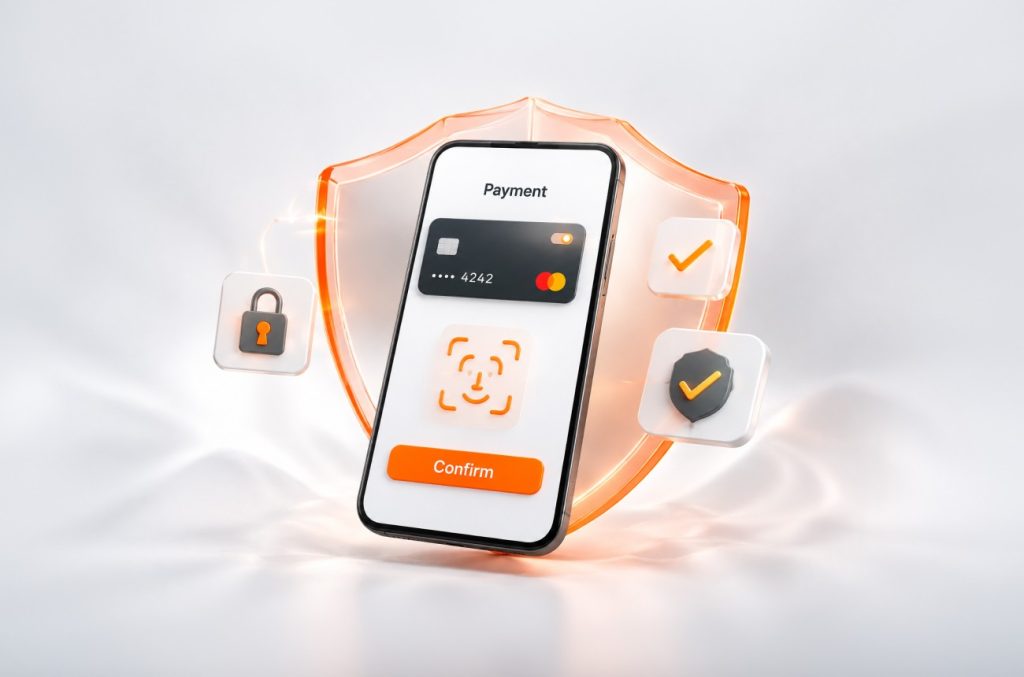
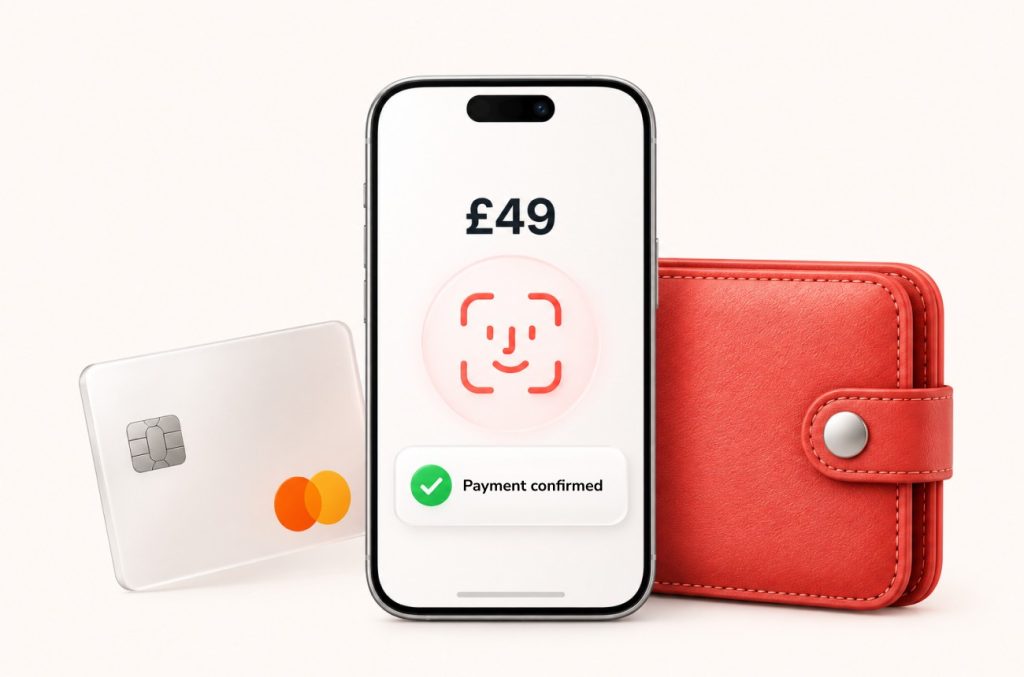
Checkouts look different than they did a decade ago. Shoppers increasingly tap a digital wallet instead of typing card digits, which raises a fair question: why use PayPal instead of a credit card at checkout? PayPal adds a layer of online shopping security that direct card entry simply can’t match, while still completing payment processing in seconds. This comparison covers both sides — consumer safety and merchant profitability — in one place.
How Digital Wallets and Card Networks Operate
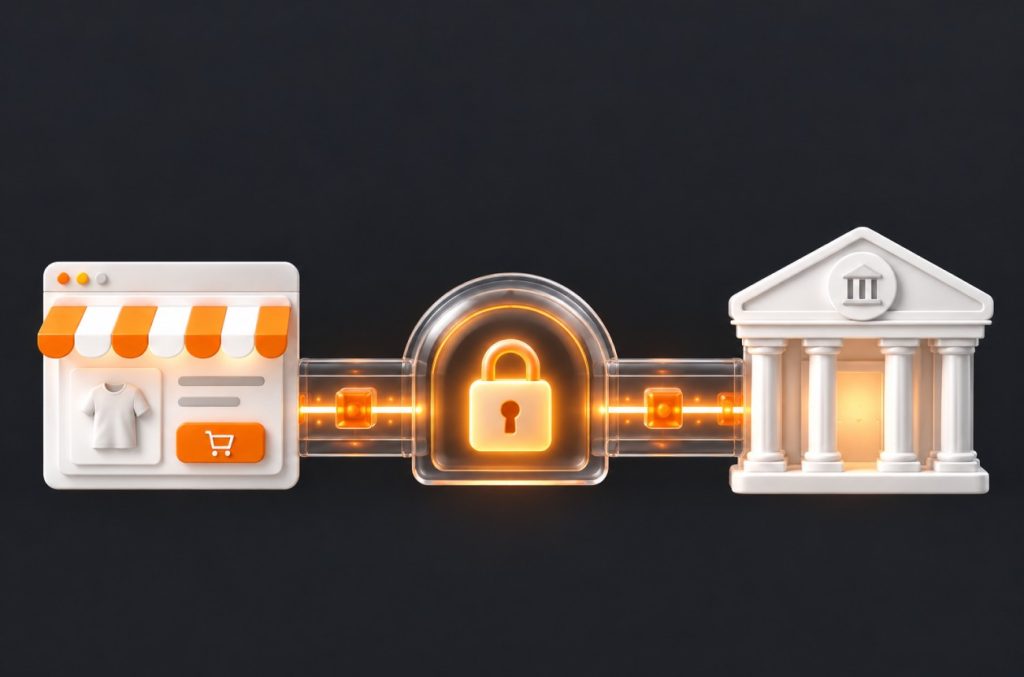
Card networks like Visa and Mastercard work through a chain of banks. A transaction passes from the merchant’s acquiring bank to the customer’s issuing bank, with the network sitting in between to authorize and settle it. A digital wallet works differently.
Instead of exposing card details directly, PayPal stores that data internally and acts as an encrypted middleman. The merchant never touches the actual card number during payment processing. That single architectural difference explains most of the security gap between the two systems.
Consumer Security and Zero Liability Protections
Shoppers gravitate toward digital wallets for one core reason: merchants never see their real financial data. Direct credit card entry always exposes a card number to some part of the checkout stack, even with strong data encryption in place. The table below compares the core security features side by side.
| Security Feature | PayPal | Direct Credit Card |
| Data exposure to the merchant | None — merchant only sees a transaction confirmation | Full card number often passes through checkout systems |
| Fraud liability | Covered internally through PayPal’s own protection policies | Zero liability policies apply, but claims take longer to resolve |
| Account linkage | One login covers multiple linked cards and bank accounts | Each card requires a separate entry and verification |
Zero liability exists on both sides, just in different forms. However, PayPal’s approach removes the exposure risk before fraud prevention even becomes necessary.
Buyer Protection Versus Credit Card Chargebacks
Buyer protection programs and legal billing rights solve similar problems through different paths. PayPal’s purchase protection typically covers around 180 days for items that arrive damaged or never show up at all. Credit card issuers, by contrast, often work within shorter legal windows for formal dispute resolution.
Both systems reduce chargebacks for legitimate claims, but PayPal’s window simply runs longer in most cases.
Keeping Reward Points With a Digital Wallet
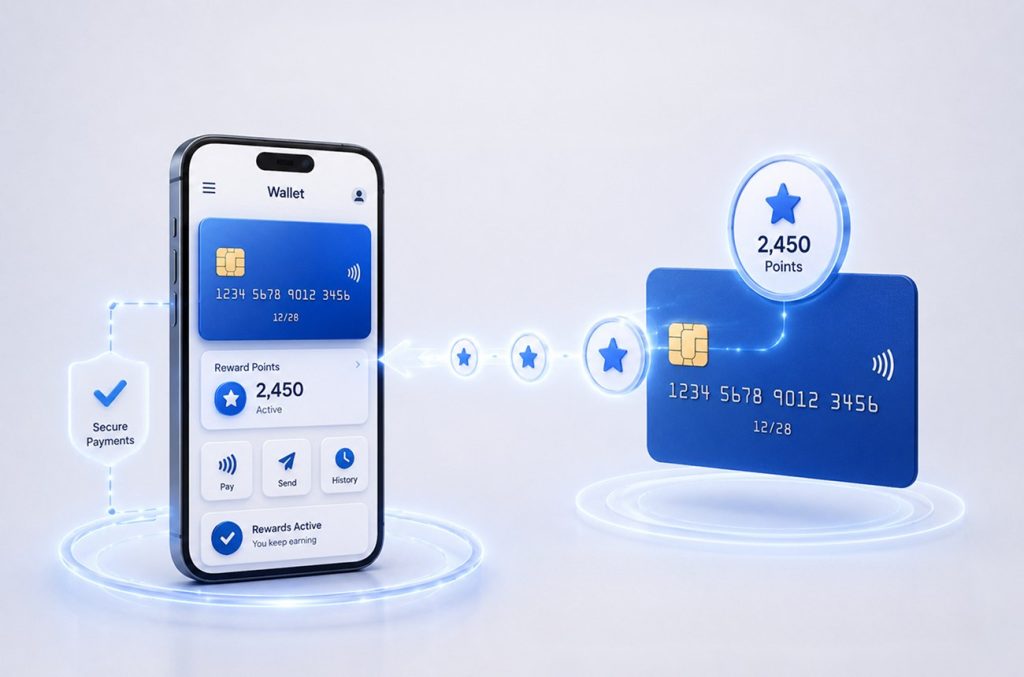
A common myth holds that switching to a digital wallet means giving up bank rewards entirely. That’s not accurate. Most wallets let users link an existing rewards card as the funding source, so every eligible purchase still earns points or cash back through the linked card itself.
A few habits help shoppers get the most out of both systems at once:
- Link a rewards or cash-back card as the default funding source
- Check whether a co-branded card unlocks wallet-specific bonus categories
- Review statements periodically to confirm points post correctly through the wallet
None of this requires giving up existing rewards. It just means routing them through a different front door.
Merchant Services: Comparing Global Processing Fees
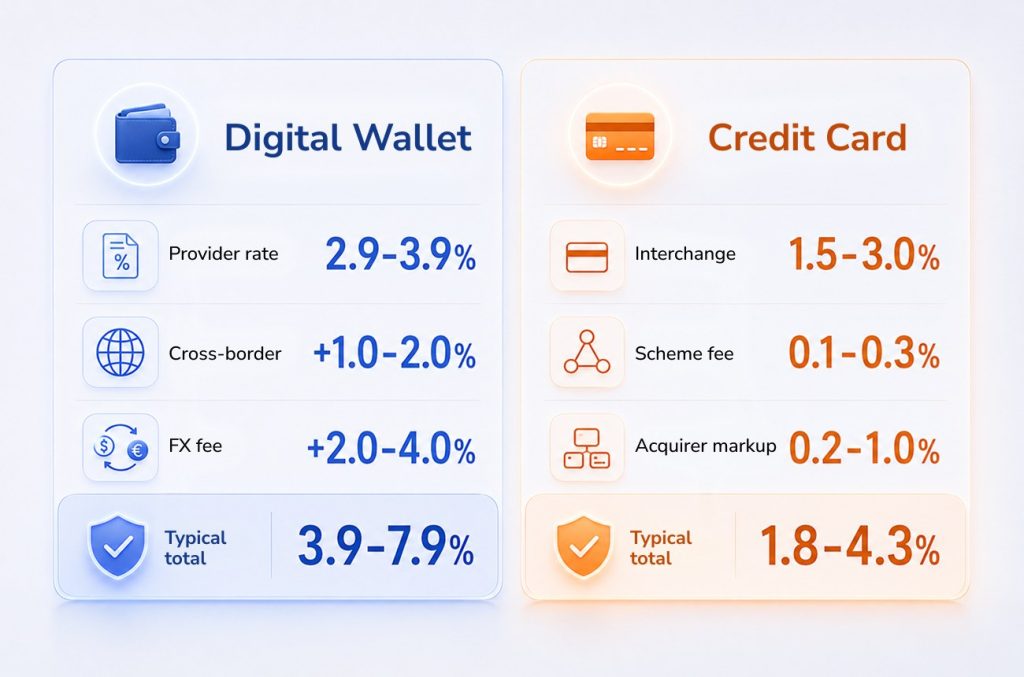
Merchant services costs diverge sharply once you compare card networks against digital wallets. Credit cards charge interchange fees set by the issuing bank, plus a scheme fee on top, both varying by card type and region. PayPal typically charges a flatter percentage instead, regardless of card type.
| Fee Type | Credit Card Average | PayPal Average |
| Interchange + scheme fees | Roughly 1.5%–2.5%, varies by card and region | Flat rate, typically 2.5%–3.5% per transaction |
| Currency conversion | Additional markup on cross-border cards | Additional markup, often slightly higher |
Flat pricing simplifies budgeting, even when it costs slightly more per transaction on average.
Hidden Costs of Multi-Currency Payments
Cross-border transactions carry penalties on both sides of this comparison. Traditional card networks apply a cross-border markup on top of standard interchange, often adding a percentage point or more. Digital wallets frequently charge similar or higher international rates, since multi-currency payments route through their own internal conversion systems.
Merchants selling internationally should expect extra fees regardless of which method they choose.
Settlement Times and Merchant Cash Flow
Cash flow depends on timing as much as the fee itself. Card networks typically hold funds for one to three business days before releasing them to a merchant’s bank account. PayPal often deposits funds instantly into the wallet balance, though moving that balance to a real bank account can still take one to five days.
For merchants needing genuinely immediate liquidity, neither method delivers same-day access to a real bank account.
Fighting Card-Not-Present Fraud and Chargebacks
Card-not-present fraud hits online merchants harder than in-store transactions ever do, since no physical card or signature confirms the buyer’s identity. Digital wallets shift part of that verification burden away from the merchant, reducing exposure to costly chargebacks and triangulation scams.
Merchants can take a few concrete steps to cut fraudulent disputes further:
- Require address verification and card security codes on every card transaction
- Offer digital wallet checkout as an option to shift verification to the platform
- Flag and review orders with mismatched shipping and billing details before fulfillment
These steps won’t eliminate chargebacks completely, but they cut the riskiest orders significantly.
Checkout Experience and Cart Abandonment Risk
Checkout friction quietly kills sales. Typing a 16-digit card number, expiration date, and security code gives a shopper several chances to abandon the process halfway through. A digital wallet login replaces all of that with a single tap.
Offering both options at checkout, rather than forcing one, cuts cart abandonment more than switching to either method alone.
Open Banking and Pay-by-Bank Alternatives
Open banking introduces a genuinely different option: pay-by-bank, or account-to-account transfers that skip card networks and wallet fees entirely. Instead of routing through Visa, Mastercard, or PayPal’s own rails, the payment moves directly from the buyer’s bank account to the merchant’s.
This approach brings a few clear advantages for merchants comparing all three payment types:
- Lower processing costs than either card networks or digital wallets
- Near-instant settlement without the multi-day transfer delay
- Biometric bank-level authentication instead of stored card data
- Fewer opportunities for card-not-present fraud to occur in the first place
TODA Pay’s European local payment methods build on this same open banking foundation, giving merchants region-specific pay-by-bank options without stitching together separate integrations for each market.
Building a Complete Merchant Payment Strategy
Neither PayPal nor a direct credit card wins outright for every use case. Consumers gain real security and flexible rewards from digital wallets, while merchants trade slightly higher fees for lower fraud exposure and simpler reconciliation. The smartest setups usually combine both, then add open banking rails where it makes sense.
Accepting payments is only half the picture, though. Businesses issuing refunds, supplier payments, or marketplace payouts need infrastructure built for that direction of money movement, too. TODA Pay’s payout solutions handle that side directly, moving funds out reliably once the payment side of the equation is already sorted.
Why Use PayPal Instead of a Credit Card: FAQ
Is it safer to use PayPal online than a credit card?
Generally, yes. PayPal keeps card details away from merchants entirely, reducing exposure to card-not-present fraud during checkout.
Do merchants pay higher fees for PayPal transactions?
Often, slightly. PayPal’s flat-rate model can cost more than low-interchange cards, though it simplifies fee calculations considerably.
Can I still earn credit card rewards through PayPal?
Yes. Linking a rewards card as the funding source lets points and cash back accumulate exactly as they would with direct card use.
How do chargebacks differ from PayPal disputes?
PayPal disputes run through its own buyer protection process, while credit card chargebacks follow the card network’s separate dispute resolution rules.
What is Open Banking, and is it cheaper than cards?
Open banking moves funds directly between bank accounts, typically at lower cost than both card networks and digital wallet fees.