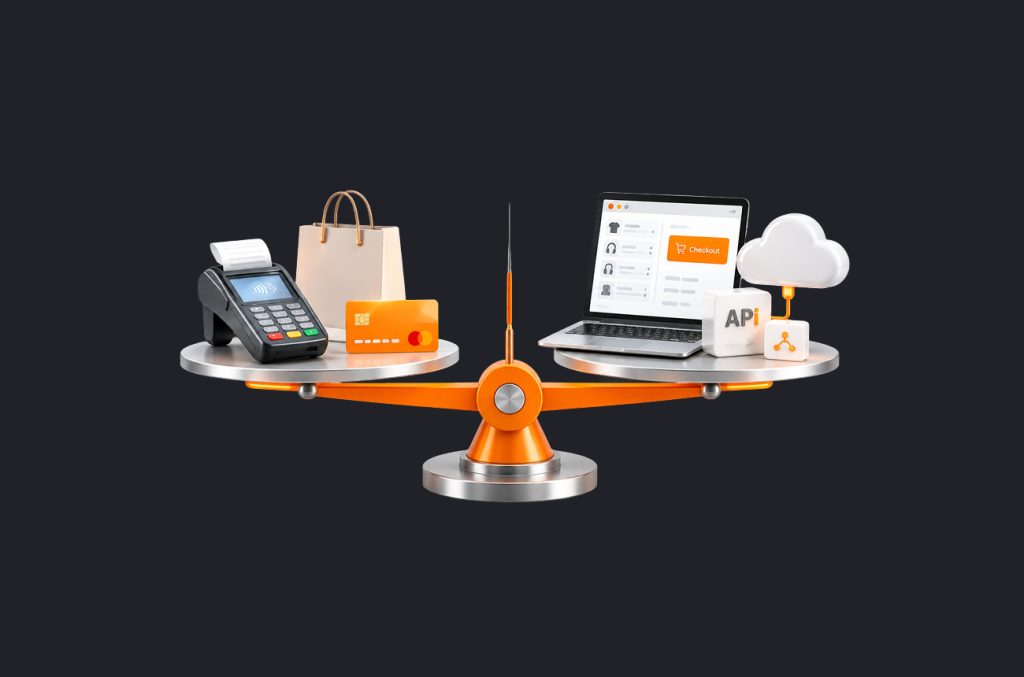
Global digital commerce is expanding rapidly into 2026, bringing heightened risks of transaction fraud. Many founders ask what a payment gateway is and how it secures their revenue. Simply put, this technology acts as the critical, secure communication bridge linking your digital storefront with financial institutions. A robust payment gateway directly secures your conversion rates while protecting sensitive customer data from breaches. Therefore, choosing the right payment processor and dedicated merchant account structure guarantees stable, long-term operational success.
Core Functions of a Modern Payment Gateway
A modern payment gateway executes several complex technological responsibilities in milliseconds. These capabilities ensure money moves securely across borders without manual intervention.
- End-to-end data encryption protects raw cardholder details during transmission.
- Multi-layered fraud scrubbing blocks suspicious transactions instantly.
- Transaction authorization routing connects to appropriate card networks globally.
- Real-time ledger settlement ensures accurate financial reporting for merchants.
Advanced platforms provide deep data reporting specifically for enterprise merchants. Consequently, you can track digital wallets and card performance to minimize costly chargebacks.
Step-by-Step: How a Payment Gateway Works
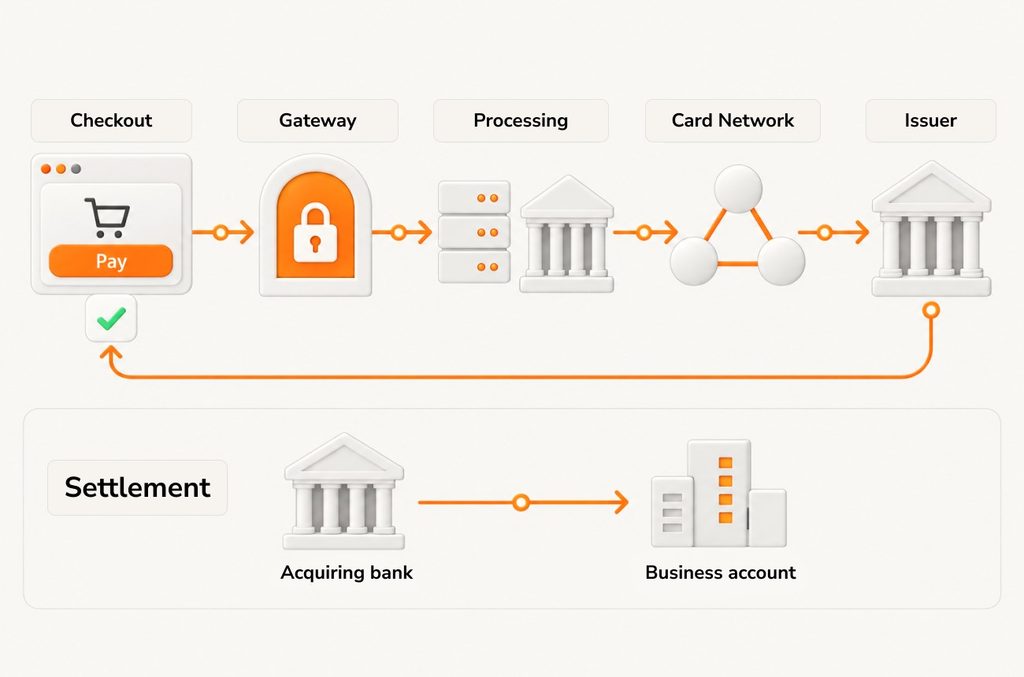
Processing an online transaction follows a strict, instantaneous lifecycle from checkout to final fund disbursement. Understanding how a payment gateway works helps you identify checkout bottlenecks easily.
- The system encrypts the payload immediately after the shopper clicks “Pay”.
- Gateway validation occurs to ensure data integrity.
- The encrypted payload routes across the respective card network.
- The issuing bank reviews and provides strict transaction authorization.
- Final settlement happens via the acquiring bank.
Enterprise merchants rely on this robust card payment processing architecture to eliminate authorization friction. Ultimately, optimizing these exact steps prevents unexpected drop-offs during high-volume sales periods.
Comparing a Payment Gateway vs Payment Processor
Industry terminology often causes confusion between different financial entities. Understanding these roles clarifies your technical integration needs moving forward.
| Tool | Core Responsibility | Primary Environment |
| Payment Gateway | Encrypts and authorizes digital payloads | Online E-commerce |
| Payment Processor | Handles operational movement of funds | Financial Backend |
| POS Terminal | Reads physical card chips and swipes | Brick-and-Mortar Stores |
Digital and cross-border businesses operate exclusively via cloud-based gateway infrastructure. Therefore, you must secure a dedicated merchant account linked to an agile processing backend.
Payment Gateway Integration Types for Online Merchants
Choosing your technical deployment model dictates both user experience and regulatory overhead. You must match your internal engineering resources with appropriate PCI DSS requirements.
- Hosted payment page flows redirect users with minimal compliance burden.
- Embedded checkouts use secure tokenized fields for native on-site experiences.
- Server-to-server direct REST APIs offer full programmatic branding control.
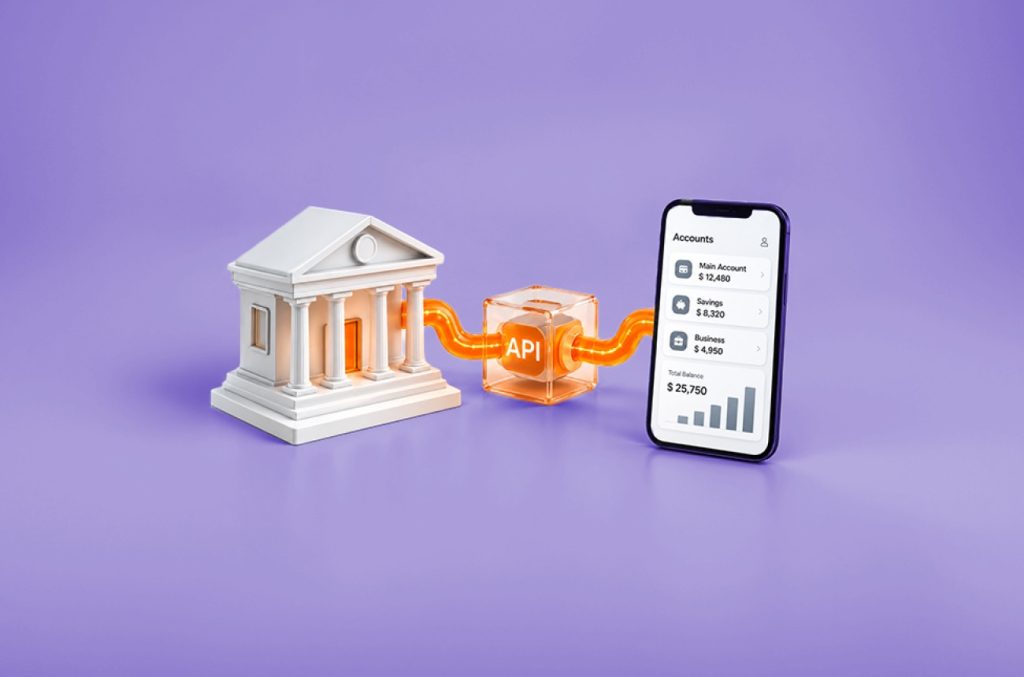
Utilizing client-side encryption keeps sensitive data off your internal servers completely. Furthermore, leveraging an API integration gives large enterprises complete control over their payment gateway environment.
Essential Security: Tokenisation, PCI DSS, and 3DS
Modern payment gateways safeguard sensitive financial telemetry against catastrophic data breaches. Achieving Level 1 PCI DSS compliance certification remains a mandatory legal requirement for handling online transactions. Tokenisation replaces raw card data with non-sensitive alphanumeric identifiers to protect your database.
Modern EMV 3D Secure authentication protocols further protect your business from fraudulent chargebacks. This technology shifts fraud liability away from your company and back onto the issuing bank. Implementing robust tokenisation effectively limits merchant liability and prevents unauthorized access to customer databases.
Understanding Gateway Fees and Commercial Pricing Models
Analyzing the cost components of online processing reveals where companies lose margin. Merchants face fixed per-transaction payment gateway fees alongside standard interchange and scheme fees. Furthermore, you must account for monthly maintenance charges, refund operational costs, and dispute penalties.
Chargebacks typically cost merchants significant administrative fees per incident. Scaling enterprises should avoid blended flat-rate pricing structures that hide network costs. Instead, adopting transparent Interchange-plus models delivers much lower transaction fees over time.
Dedicated Merchant Accounts vs Business Bank Accounts
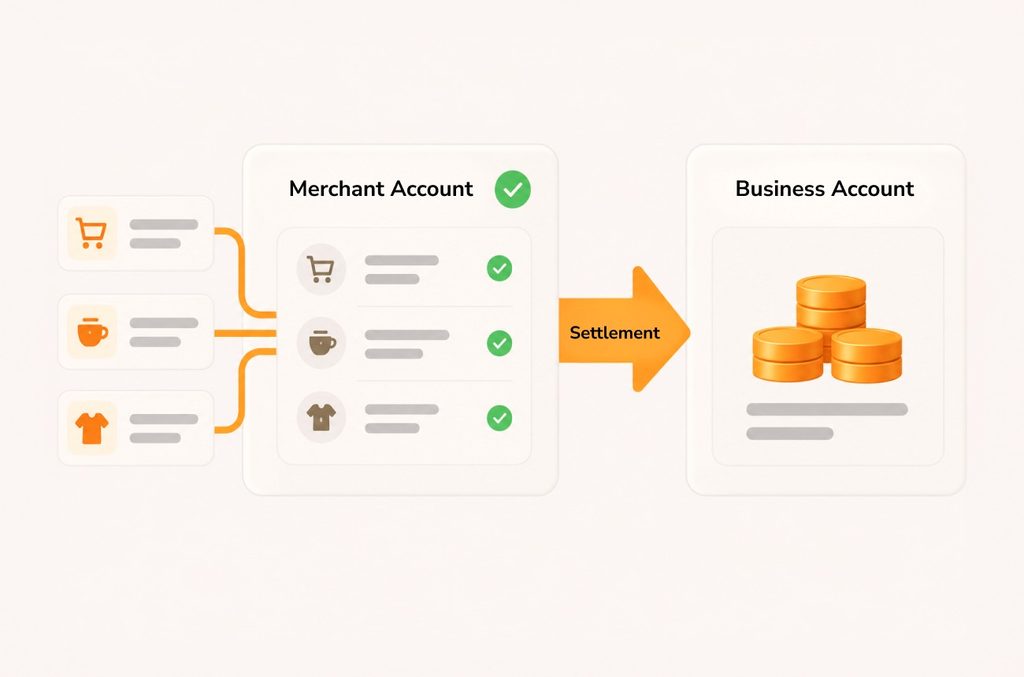
Businesses require specialized financial infrastructure to process online revenue legally. You cannot route customer card payments directly into a standard operating commercial account.
| Account Type | Settlement Role | Access Speed & Risk |
| Dedicated Merchant Account | Holds authorized card settlements temporarily | Fast access, tailored risk monitoring |
| Commercial Operating Account | Stores primary swept net business funds | Standard banking delays, low risk |
Utilizing shared-pool aggregators increases the risk of sudden fund freezes. Conversely, pairing your payment processor and acquiring bank through a dedicated merchant account ensures stable cash flow.
Choosing the Right Payment Gateway for Scaling
Evaluating potential providers requires a strict focus on technical flexibility. You need infrastructure capable of handling rapid global expansion securely.
- Multi-currency support capabilities for international digital wallets.
- High uptime SLAs to prevent revenue loss during traffic spikes.
- Comprehensive developer SDKs facilitating rapid API integration.
- Support for local European payment methods like iDEAL and Bancontact.
Enterprise platforms and marketplaces require a full-cycle payment gateway. This system must handle incoming revenue alongside automated mass payout solutions for vendors.
Build a Scalable Payment Gateway Foundation Today
Selecting the right payment gateway acts as a strategic growth lever rather than a mere technical utility. Merchants must actively audit their current checkout drop-off rates to identify hidden friction points. Understanding what is a payment gateway allows you to optimize these crucial conversion steps directly.
You should partner with infrastructure providers that prioritize modern standards. Balancing ironclad PCI DSS compliance with frictionless multi-rail processing protects your profit margins. Reducing complex transaction fees through a dedicated acquiring partner guarantees sustainable global revenue growth. Upgrade your checkout architecture with TODA Pay today.
Frequently Asked Questions
Do I Need Both Gateway and Processor?
Yes, the gateway encrypts data while the payment processor routes it to the acquiring network. Both components work together to finalize the digital transaction securely.
How Fast Do Payment Processors Settle Funds?
Dedicated merchant accounts typically settle funds into your primary bank within one to two business days. Alternative local push methods often provide instant liquidity.
Does a Payment Gateway Store Raw Cards?
No, modern systems use tokenisation to protect data. This prevents storing sensitive credit card details on your servers, keeping your business compliant and secure.
How Do Filters and 3DS Prevent Chargebacks?
Automated risk filters block suspicious activity instantly based on historical data. Meanwhile, 3DS shifts the financial liability back to the issuer for authorized transactions.
Can an E-commerce Platform Run Multiple Gateways?
Yes, enterprise businesses often orchestrate multiple gateways to optimize approval rates. This intelligent routing prevents unexpected downtime and lowers overall transaction fees.