Global e-commerce transaction volumes continue to surge across international markets in 2026. However, rising checkout fraud and card abandonment threaten merchant profitability worldwide. Digital businesses must implement top secure payment methods to protect transaction revenue while maximizing customer conversion. Modern consumers abandon complex payment forms that demand tedious manual data entry. Integrating secure online payment services allows forward-thinking merchants to safeguard digital transactions and capture higher approval rates across all devices.
Evaluating Core Technologies Behind Safe Online Payments
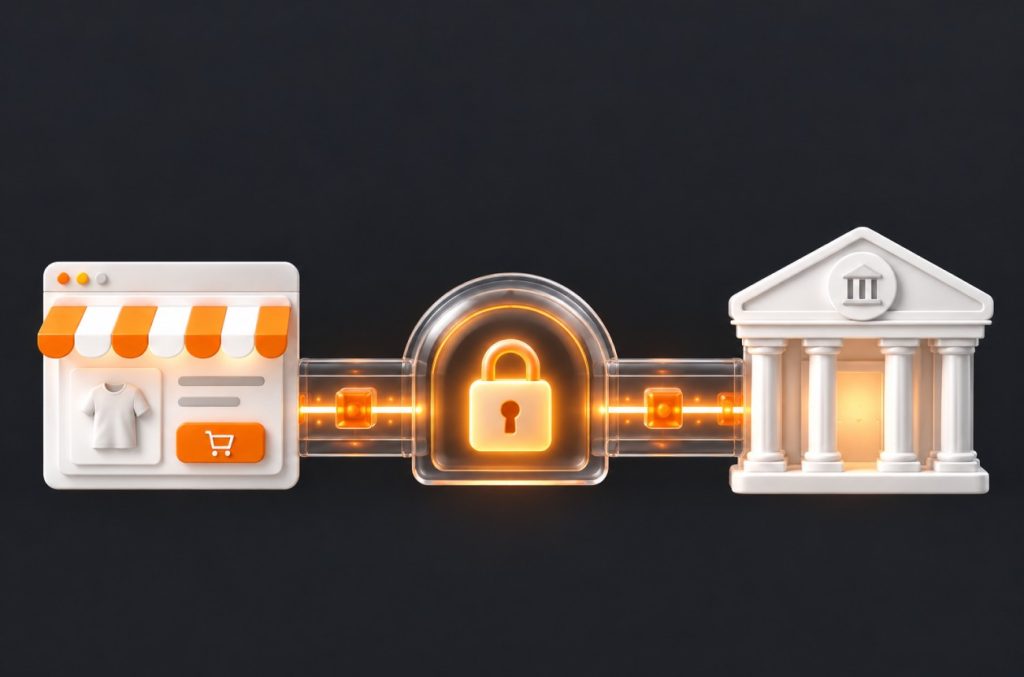
Payment infrastructure relies on robust encryption protocols to shield sensitive cardholder credentials during transmission. Modern gateways convert raw payment data into unreadable cipher strings before routing details across financial networks. Advanced firewalls and token servers prevent interception by unauthorized third parties. Consequently, investing in verified technical infrastructure shields payment gateways against automated data compromise.
Biometric Authentication Shields Modern Digital Wallet Checkouts
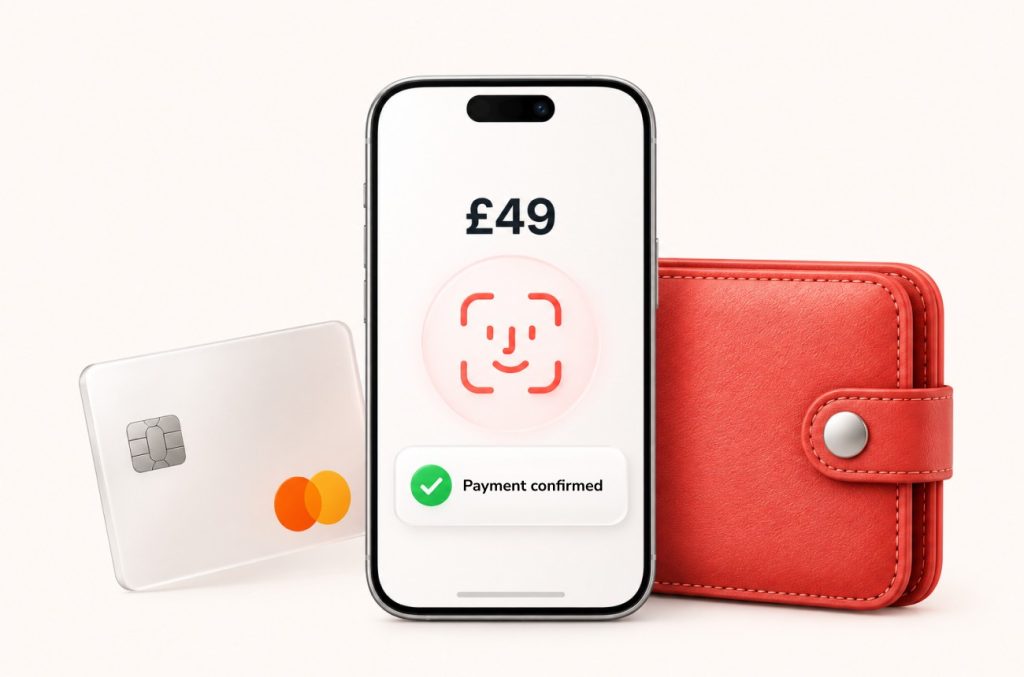
Biometric verification replaces vulnerable static passwords with unique physical markers. Mobile operating systems authenticate customers instantly through facial recognition or fingerprint scans. This protocol confirms legitimate account ownership without checkout friction.
Mobile biometric tools establish direct hardware-level security during every transaction. Merchants benefit from biometric verification across three core security dimensions:
- Device-level validation confirms identity before authorizing fund movement.
- Cryptographic handshakes eliminate credential theft from phishing attacks.
- Automated verification fulfills Strong Customer Authentication mandates instantly.
Eliminating manual verification prompts noticeably accelerates the checkout process while stopping unauthorized account takeovers. Therefore, biometric confirmation represents an essential foundation for enterprise fraud prevention.
Network Tokenization Eliminates Sensitive Merchant Card Storage
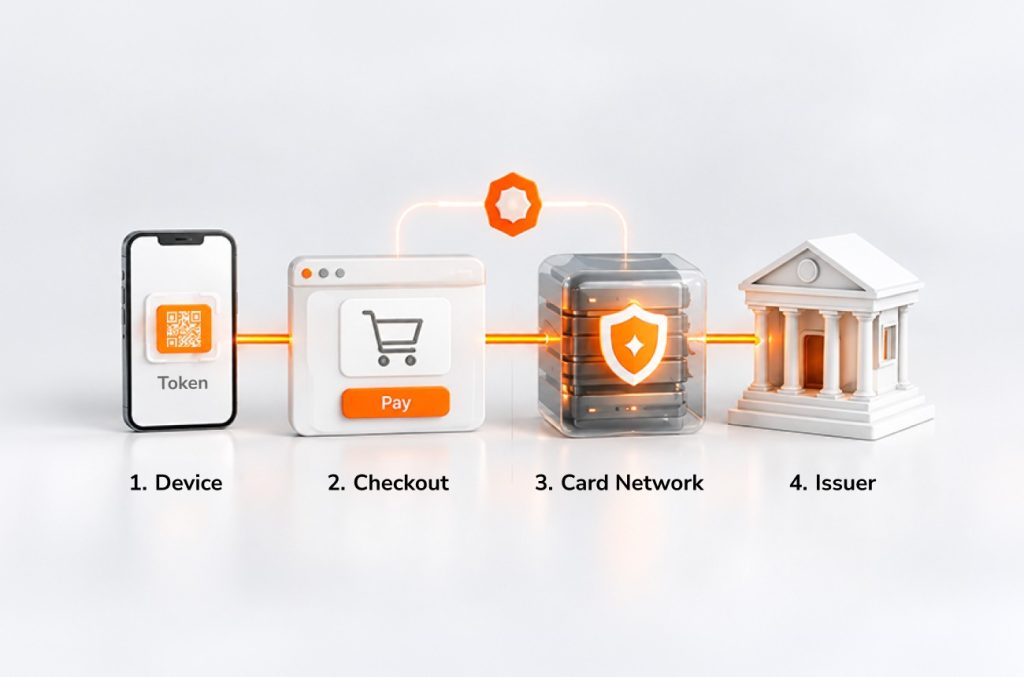
Network tokenization converts actual primary account numbers into mathematical tokens issued directly by card networks. Merchants store these unique tokens instead of sensitive cardholder details. Data breaches yield zero usable financial data to malicious intruders because stolen tokens function only on authorized processing channels.
Implementing network tokenization delivers critical operational advantages for expanding retailers:
- Merchants drastically reduce their internal PCI-DSS compliance scope.
- Automated card updater services refresh expired credentials behind the scenes.
- Card networks grant higher authorization rates for tokenized transactions.
Storing non-sensitive cryptographic tokens permanently insulates your database against catastrophic data breaches. Furthermore, recurring subscription payments execute reliably without unexpected card decline spikes.
Top Secure Payment Methods Compared for Businesses
Selecting the optimal transaction mix requires balancing security protocols with user convenience. Today, digital wallets outpace traditional card entry methods by delivering superior authorization rates. Open banking rails also provide direct account-to-account settlement without intermediary card network interchange.
Commercial operators evaluate distinct payment categories to balance processing overhead and buyer checkout habits:
- Digital wallets combining biometrics with dynamic device tokens.
- Open banking transfers routing directly through verified bank APIs.
- Classic credit and debit card acquiring requiring 3DS2 authentication.
- Local alternative payment methods tailored to regional consumer habits.
Reviewing these top secure payment methods enables commercial brands to match checkout flows with customer preferences. Choosing optimal checkout channels directly strengthens commercial transaction throughput.
Digital Wallets Deliver Superior Frictionless Mobile Conversion
Mobile traffic now represents over seventy percent of online checkouts across major gaming, e-commerce, and digital service platforms. Traditional card forms force customers to type sixteen-digit card numbers, expiration dates, and security codes on small screens. In contrast, digital wallets execute payment in a single touch.
Deploying secure Apple Pay transactions allows businesses to eliminate manual checkout barriers and boost mobile approval rates immediately. Customers authenticate via Face ID, transferring tokenized payment data directly to the processing gateway. By removing checkout friction, digital wallets convert high-intent mobile visitors at substantially higher percentages than standard web forms.
Open Banking Rails Complement Card Processing Options
Open banking offers an alternative pathway that bypasses traditional card network interchanges completely. Customers authorize direct bank transfers inside their mobile banking applications via secure API connections. This payment method settles funds rapidly while eliminating fraudulent chargebacks entirely.
While digital wallets dominate everyday consumer purchases, account-to-account rails excel at high-ticket deposits and corporate transactions. Implementing both mechanisms provides complete coverage across diverse customer segments. Pairing direct bank transfers with card-based digital wallets creates a resilient multi-channel checkout architecture. Therefore, flexible payment platforms integrate both methods to maximize overall deposit volume.
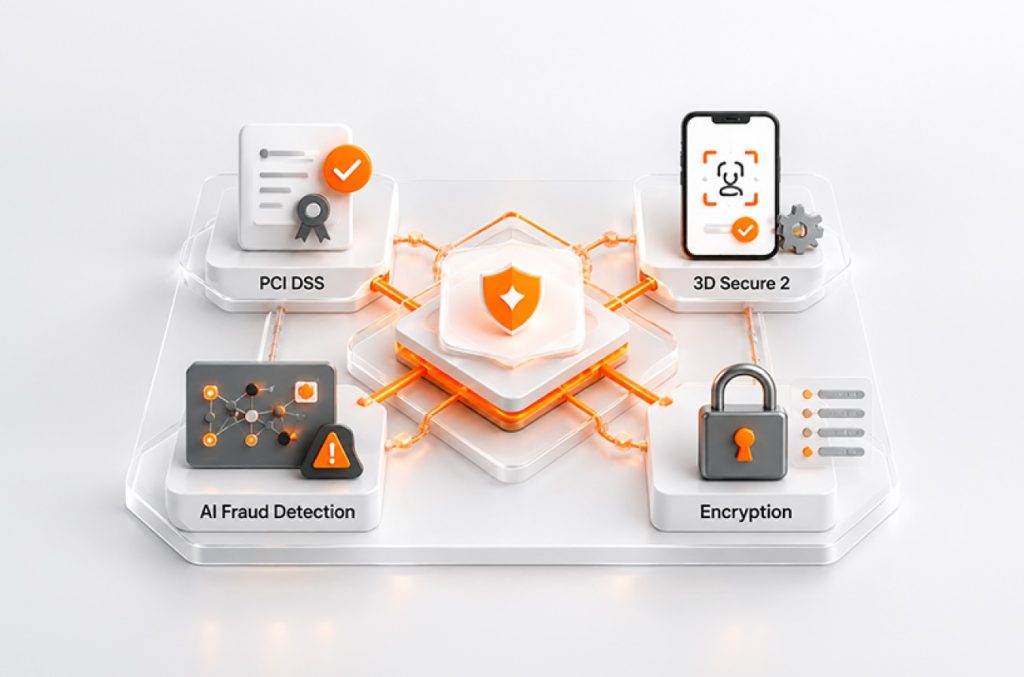
Four Payment Security Standards Every Merchant Demands
Scaling an online enterprise requires strict adherence to international financial security regulations. Processing systems must verify identities and shield transaction data at every touchpoint.
Payment gateways must verify customer identities and shield transaction data across every checkout touchpoint. Businesses must evaluate their payment stack against four fundamental compliance standards:
- PCI-DSS Level 1 certification ensuring secure handling of transaction data.
- 3D Secure 2 protocols supporting risk-based customer authentication.
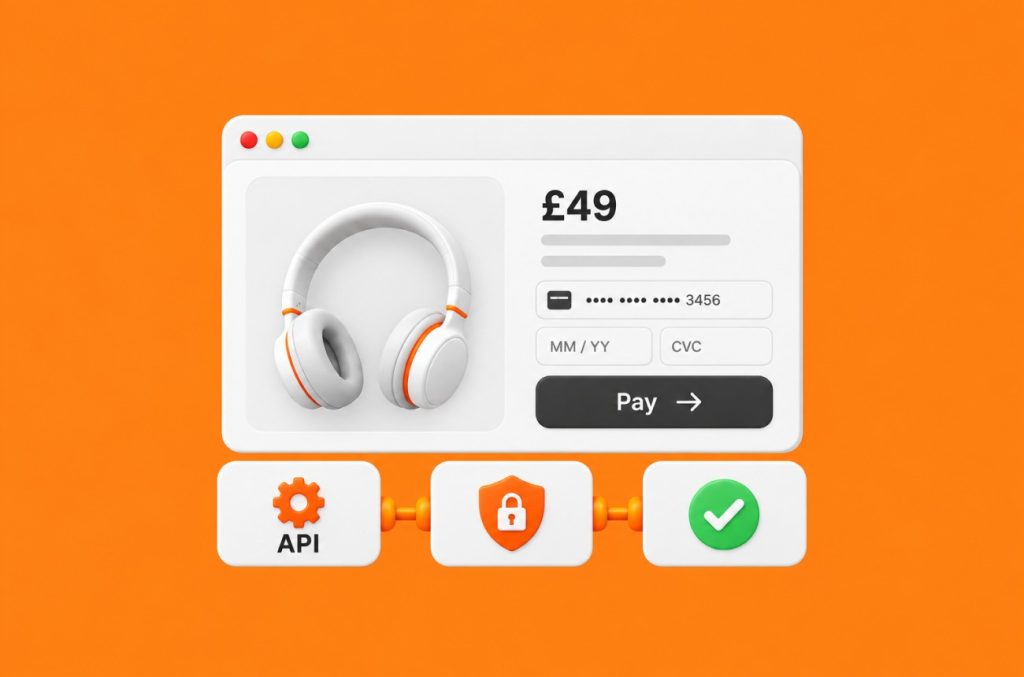
- End-to-end data encryption across all API and gateway communication channels.
- Real-time machine learning algorithms detecting anomalous fraudulent behavior.
Enforcing these regulatory measures minimizes expensive fraud losses while maintaining uninterrupted transaction flow. Furthermore, maintaining compliance protects corporate reputations from devastating regulatory fines.
Scaling Global Revenue With TODA Pay Infrastructure
Operating an international digital business requires reliable payment orchestration that combines top-tier security with peak authorization performance. Legacy payment gateways often cause unnecessary declines and complicated integration bottlenecks. In contrast, modern merchants need unified solutions that support cards, digital wallets, and alternative payment methods within a single API.
TODA Pay delivers resilient payment processing engineered for cross-border scalability. To capture high-converting mobile shoppers, activate our turnkey Google Pay payment method and streamline customer checkouts across Europe and global markets. Connect with TODA Pay today to optimize your transaction approval rates and expand your international processing capabilities.
Frequently Asked Questions About Payment Security
What is the absolute safest way to pay online?
Virtual payment cards represent the safest overall method. These disposable numbers expire instantly, completely protecting your primary credit account from merchant data breaches.
Are debit cards as safe as credit cards for online shopping?
Debit cards carry significantly higher risks during checkout. Criminals steal actual cash immediately because debit cards link directly to your personal checking account. Conversely, credit cards offer superior zero-liability protection and chargeback rights.
How does a VPN actually protect my online purchases?
A VPN creates a heavily encrypted internet tunnel for your data. This specialized software scrambles your payment details, blocking local network lurkers from intercepting your transmission.
Can modern digital wallets be hacked remotely?
Modern digital wallets resist remote hackers exceptionally well. Cybercriminals cannot force a digital application open without your unique physical biometric authorization. Even if a hacker intercepts the transmission, they only receive a useless, one-time token.
Why should I use a virtual payment card instead of my regular card?
Virtual cards shield your primary bank account from dangerous exposure. Discarding the temporary number after one transaction completely nullifies the impact of corporate data breaches. You simply generate a new card for your next purchase.