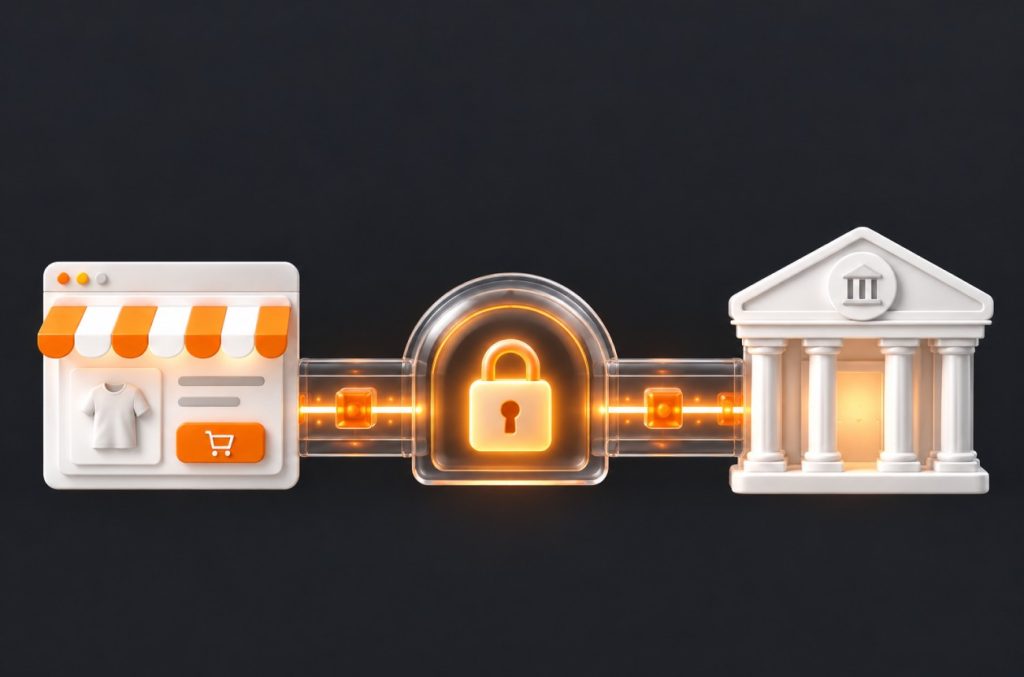
The global cashless economy moves money faster than ever before. You must understand how payment processing systems operate to stay competitive in 2026. This article covers their technical mechanics, associated costs, and selection strategies for modern enterprises. We look at this infrastructure from a strictly global perspective. Digital wallets and alternative methods define the new standard for international commerce. Payment processing systems act as the digital bridge connecting customer funds to merchant accounts securely.
Core Components of a Payment Processing System
A complete transaction requires several distinct financial entities working together. Buyers, sellers, and their respective banks rely on specific technology layers to move money. We clarify the exact roles of these critical infrastructure components below.
| Component | Specific Function | Data Handling Role |
| Payment Gateway | Transmits transaction data securely | Encrypts credit card details initially |
| Payment Processor | Routes data between all parties | Manages authorization and settlement requests |
| Merchant Account | Holds funds before final transfer | Receives cleared money from acquiring bank |
These three elements ensure funds move efficiently from the issuing bank. Therefore, missing even one component causes immediate transaction failure. Modern businesses often bundle these tools to streamline their operational tech stack.
How A Payment Processor Works: Step-by-Step
Every digital purchase triggers an automated financial verification sequence. The payment processor handles this complex data routing in milliseconds. The standard lifecycle follows these specific sequential steps to guarantee successful settlement:
- Initiation: The customer enters card details at the point-of-sale (POS) or checkout.
- Encryption: The payment gateway encrypts sensitive data and sends it forward.
- Authorization Request: The processor routes this data through major card networks.
- Approval/Decline: The issuing bank verifies available funds and returns a code.
- Settlement: The acquiring bank deposits the approved funds into the merchant account.
This entire routing process happens almost instantly behind the scenes. Furthermore, any disruption in this chain automatically triggers a declined transaction. Fast processing speeds directly improve the overall customer checkout experience.
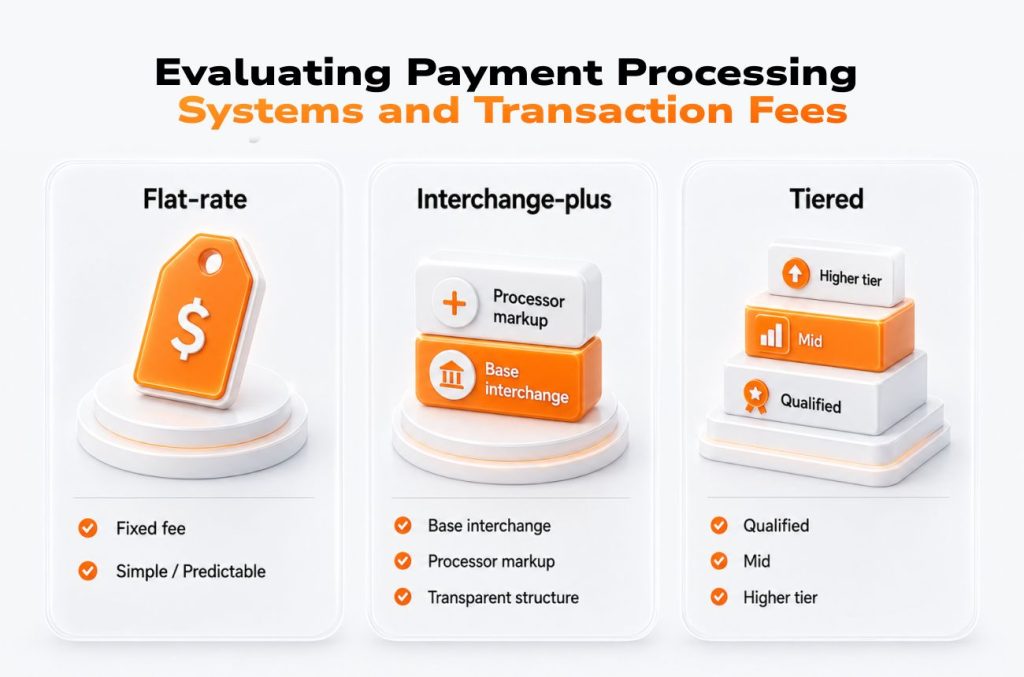
Evaluating Payment Processing Systems and Transaction Fees
Accepting digital money always incurs specific operational costs. Businesses must understand assessment fees, processor markups, and base interchange rates. Review the primary pricing structures available to merchants below.
| Pricing Model | Pros For Merchants | Cons For Merchants |
| Flat-rate pricing | Highly predictable monthly transaction fees | Often more expensive for large ticket sizes |
| Interchange-plus pricing | Total transparency on exact markup costs | Requires analyzing complex monthly billing statements |
| Tiered pricing | Simple categorization of different card types | Processors often hide high downgrade fees |
Selecting the correct model depends entirely on your average order value and sales volume. Consequently, high-volume sellers usually prefer interchange-plus structures. Transparent pricing models protect your profit margins from hidden processing surcharges.
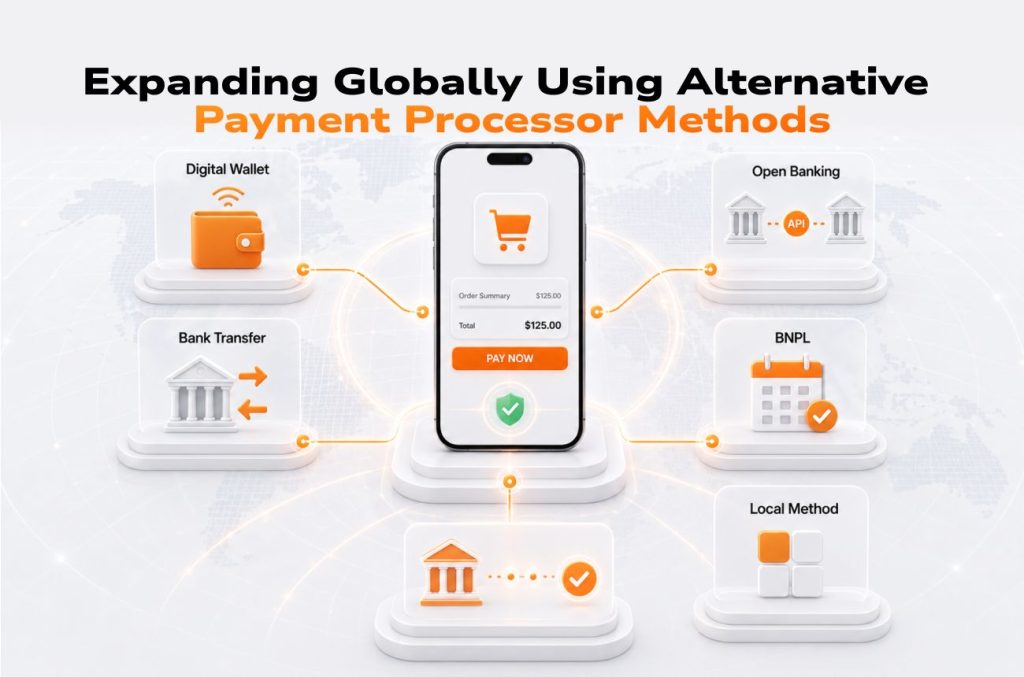
Expanding Globally Using Alternative Payment Processor Methods
Relying exclusively on traditional credit cards limits international growth. Global consumers demand localized options during the checkout phase. You must integrate alternative financial routing to capture these lucrative overseas markets.
- Digital Wallets: Apple Pay and Google Pay speed up mobile checkouts significantly.
- Open Banking: A2A payments bypass card networks for lower fees.
- Buy Now, Pay Later (BNPL): Installment plans increase average order values dramatically.
A robust payment service provider supports all these emerging technologies. Therefore, offering local options actively reduces international cart abandonment rates. Merchants expand their total addressable market by adapting to regional consumer preferences.
Ensuring Payment Processing Systems Have Fraud Prevention
Digital crime forces businesses to prioritize robust transaction security. Relying on basic rules-based filters leaves you vulnerable to sophisticated attacks. Implementing modern security protocols reduces financial liability and protects sensitive consumer data.
- PCI DSS Compliance: Adhering to strict standards prevents costly data breaches.
- Tokenization: Replacing card numbers with unique symbols stops hackers from stealing data.
- Active Chargeback Management: Disputing fraudulent chargebacks recovers lost revenue efficiently.
Machine-learning systems identify suspicious behavior much faster than manual reviews. Furthermore, proactive security measures build long-term trust with your customer base. Advanced fraud prevention tools stop bad actors without declining legitimate buyers.
Choosing The Right Payment Processor For Business
Selecting a new financial partner requires careful strategic planning. You must evaluate providers based on your specific operational requirements. Use this checklist to identify the best infrastructure for your digital storefront.
- Integration Capabilities: Ensure the API connects smoothly with your existing platforms.
- Payout Speeds: Confirm the exact timeline for settlement into your bank.
- Global Reach: Verify support for international currencies and localized payment methods.
- Customer Support: Demand dedicated account managers for technical troubleshooting.
A standard PSP handles basic routing, while a Merchant of Record (MoR) manages global tax compliance. Therefore, you must align their specific capabilities with your growth goals. The right financial partner scales efficiently alongside your expanding enterprise.
Optimize Operations With A Modern Payment Processor
Outdated infrastructure costs your business money through high fees and lost sales. Upgrading your technology stack improves approval rates and secures customer data. Fast, reliable transaction routing remains critical for sustained growth. Start building a stronger financial foundation today. Partner with TODA Pay to access a global Card Payment solution designed for high-performance enterprises. Modernizing your financial backend directly increases your long-term revenue potential.
Payment Processing Systems Frequently Asked Questions
Businesses often face confusion regarding merchant accounts, gateways, and transaction fees. We address the most common industry inquiries about modern digital finance below. Understanding these core concepts prevents costly operational mistakes.
Do I need a gateway and payment processor?
Yes. The gateway securely captures the sensitive credit card data online, while the processor physically routes this information to the respective banks.
What separates a PSP and Merchant of Record?
A standard PSP simply moves the money. Conversely, an MoR assumes full legal liability for the transaction, handling local taxes and strict compliance.
How long does settlement take in processing systems?
Traditional legacy systems generally require one to three business days. However, modern fintech platforms now frequently offer instant or same-day funding options.
Why do processors hold funds or delay payouts?
Providers often hold funds to cover potential chargebacks. They also delay payouts to investigate suspicious spikes in sales volume, preventing institutional fraud.
Can I negotiate my payment processor transaction fees?
High-volume merchants can absolutely negotiate their processor markup rates. However, you cannot change the base interchange fees set directly by the major card networks.