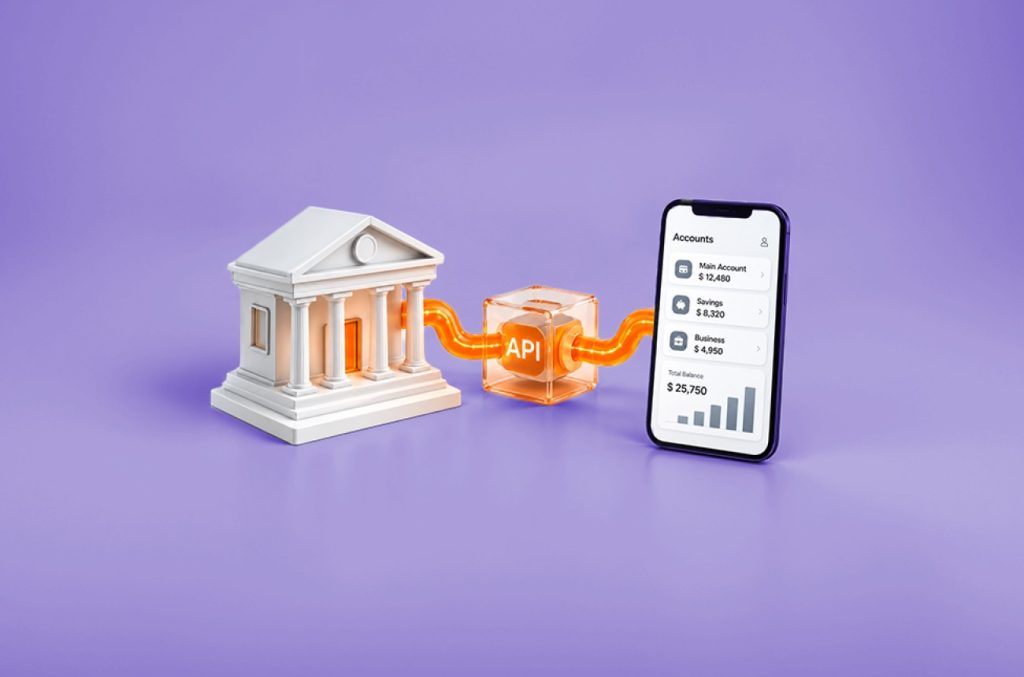
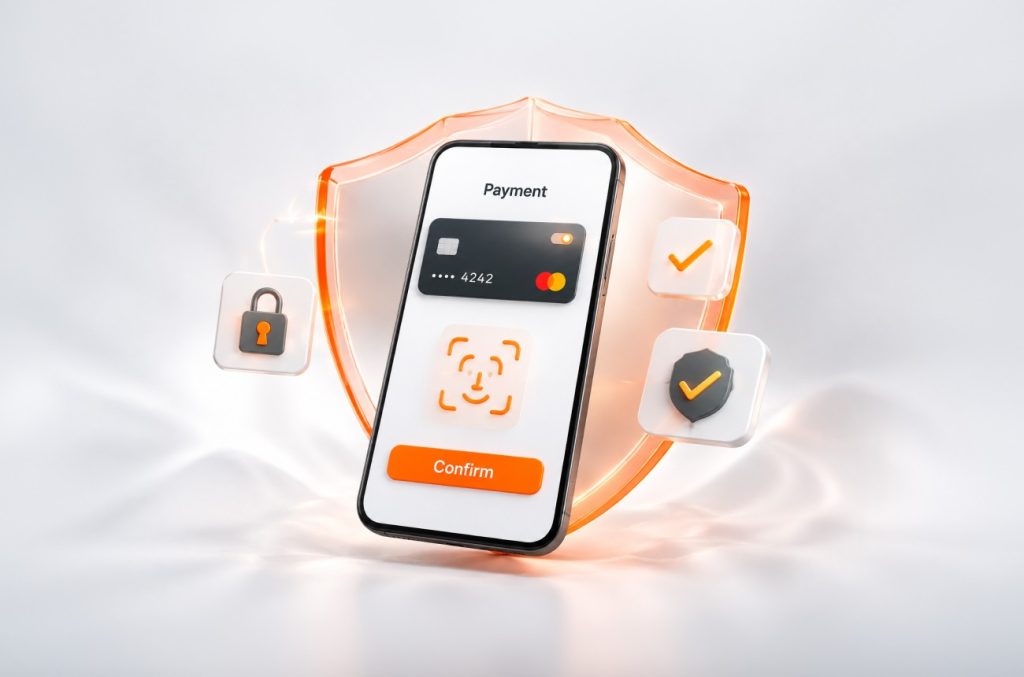
Software businesses live or die by their recurring revenue streams. Choosing the right SaaS payment provider determines whether you scale globally or drown in failed transactions. Today, founders and finance teams face a confusing market of gateways, billing engines, and Merchants of Record. The right SaaS payment processing infrastructure prevents involuntary churn and handles global tax compliance automatically. Therefore, you need clear facts to select the exact technology your company requires.
Why SaaS Payment Processing Outgrows E-commerce Simplicity
Unlike one-off retail purchases, software subscriptions demand continuous relationship management. This volatile subscription lifecycle introduces unique friction points every single month:
- Customers upgrade or downgrade tiers mid-month.
- Prorations complicate the final monthly invoice.
- Expired credit cards trigger involuntary churn.
Ignoring these variables manually destroys your profit margins. Furthermore, companies need specialized technology to automate this recurring billing chaos.
Payment Gateway vs Billing Engine vs MoR Explained
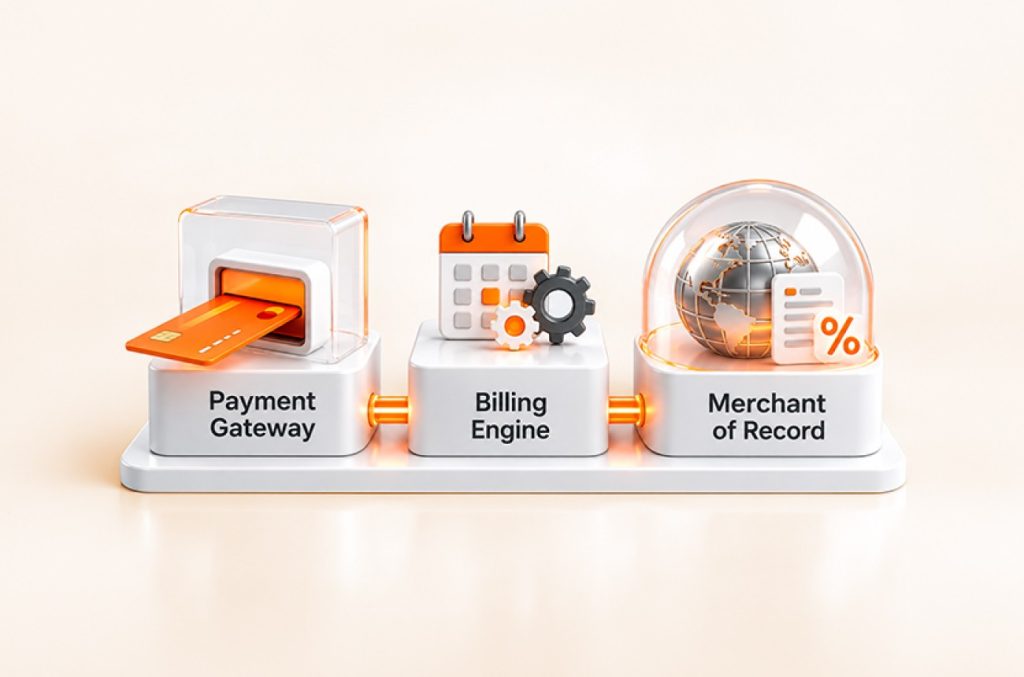
Founders often confuse the three distinct layers of SaaS financial infrastructure. You must understand exactly what technology you buy to avoid expensive redundancies. Let’s break down these distinct solutions clearly. Understanding the difference between a payment gateway and an MoR saves thousands in technical debt.
| Solution Type | Primary Function | Handles Global Taxes (Yes/No) | Example Providers |
| Payment Gateway / PSP | Transmits transaction data securely and handles acquiring | No (Handled via tax software) | Stripe, TODA Pay |
| Billing Engine | Manages recurring subscription tiers and dunning logic | No | Chargebee, Recurly |
| Merchant of Record (MoR) | Assumes total legal reseller liability and remits tax | Yes | Paddle, FastSpring |
While an MoR handles tax filing, it charges steep processing margins and restricts fund liquidity. Consequently, scaling SaaS platforms increasingly prefer pairing dedicated billing engines with high-performance payment gateways to retain control over their margins and cash flow.
Payment Gateways: The Vital Transaction Layer
A payment gateway acts as the basic infrastructure for internet commerce. It securely transmits credit card data from your customer to the acquiring bank. Every software company needs a gateway to achieve basic PCI-DSS compliance and accept money. However, a standalone gateway rarely satisfies a growing software company. You still have to build custom logic for subscriptions on top of it.
Subscription Billing Engines: The Core Logic Layer
Billing engines sit directly on top of your chosen payment gateways. They manage the heavy computational logic of recurring billing for your user base. These platforms handle flexible pricing models, generate automated invoices, and trigger dunning management workflows when transactions fail. Therefore, these tools keep your operations running smoothly without engineering effort. They act as the brain behind your revenue operations.
Merchant of Record: The Tax Compliance Layer
A Merchant of Record takes on the total legal liability of processing your transactions. This comprehensive solution operates entirely differently than standard gateways. An MoR automatically calculates, collects, and remits global sales tax, VAT, and GST across all jurisdictions. Furthermore, this setup completely removes international tax burdens from your finance team’s plate. You simply sell your software while the MoR handles government regulations.
6 Must-Have Features for a SaaS Payment Provider
Every software company must evaluate specific capabilities before signing a long-term contract. Missing essential tools severely bottlenecks your international expansion and revenue recovery. Equipping your team with robust SaaS payment solutions prevents these bottlenecks. Choosing a SaaS payment provider without these six core features limits your global scaling potential. Let’s examine the exact functionalities your infrastructure demands.
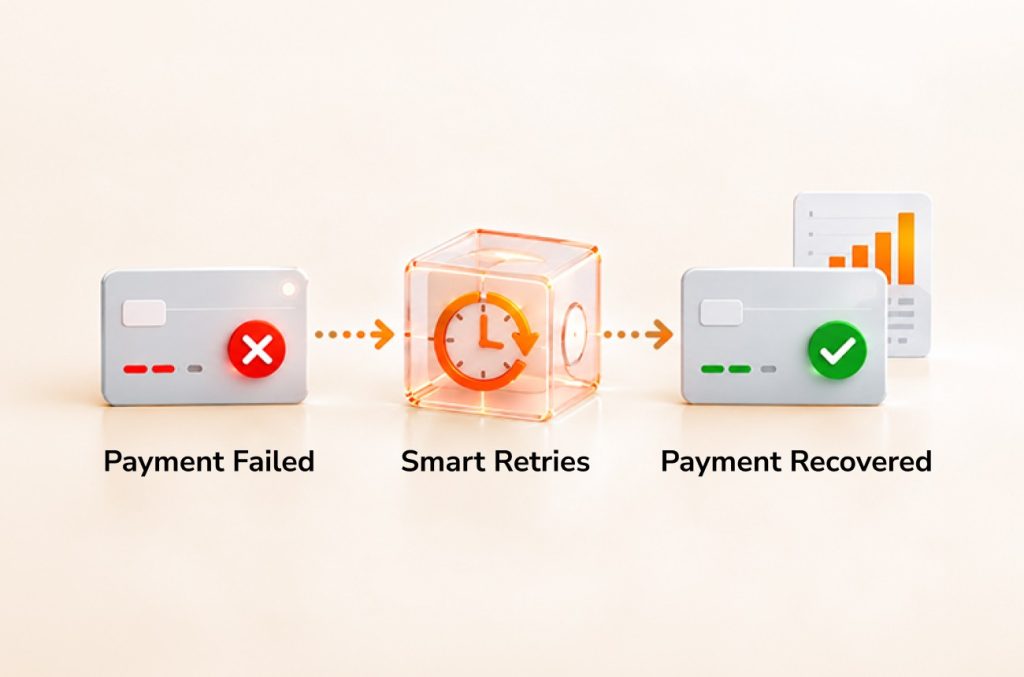
Automated Dunning Management and Smart Retries
Failed transactions happen daily in the software industry. Dunning management actively recovers this lost revenue through automated communication workflows. Top providers use machine learning to trigger smart retries, capturing funds at optimal times. Furthermore, an automatic account updater feature refreshes expired card details silently. These tools eliminate the leading causes of involuntary churn instantly.
Global Sales Tax and VAT/GST Compliance
International tax laws create nightmares for digital product creators. Governments continually change their rules regarding software taxation. A top-tier provider automatically identifies the customer location and applies the correct local tax rate. Therefore, your business remains legally compliant globally without hiring expensive international accountants. Cross-border payments require this level of automation to stay profitable.
Multi-Currency Support and Alternative Payment Methods
Localizing the checkout experience drives massive international growth. Customers trust pricing displayed in their native currency. You capture more users by offering the specific payment types they prefer daily:
- Digital wallets (Apple Pay, Google Pay).
- Regional bank transfers (SEPA in Europe).
- Instant open banking solutions.
Accepting payments in local currencies and offering alternative payment methods significantly increases global conversion rates. Furthermore, removing friction at checkout instantly boosts your bottom line.
Flawless API Integration and Subscription Management
A unified tech stack gives you total visibility over customer data. Your payment infrastructure must connect easily with other tools. The provider must offer robust API integration to sync financial data in real time with your CRM. Therefore, your accounting software and internal product dashboards stay perfectly aligned. Subscription management becomes effortless when systems communicate instantly.
Proration Management and Flexible Billing Models
Software pricing models evolve rapidly as you add features. Your system must adapt to changing user behavior instantly. The chosen infrastructure must effortlessly handle prorated charges when a user upgrades mid-month. Furthermore, the platform supports tiered, usage-based, and per-seat pricing models without manual calculation. This flexibility handles the entire subscription lifecycle dynamically.
PCI-DSS Compliance, Security, and Fraud Detection
Security remains a strict, non-negotiable requirement for internet businesses in 2026. Data breaches destroy brand trust overnight. Tokenization keeps sensitive data completely off your company servers, ensuring strict PCI-DSS compliance. Furthermore, advanced machine learning algorithms block fraudulent sign-ups before they hit your system. A strong SaaS payment processing setup protects both you and your customers.
Selecting a Provider Based on Growth Stage
Your company size dictates the infrastructure you require today. Startups have completely different needs than established enterprises processing millions. Match your software maturity to the appropriate payment technology stack:
- Early-Stage Startups: Focus on simple payment gateways to test product-market fit quickly.
- Mid-Market Companies: Add a robust billing engine to organize rapid subscriber growth.
- Scaling Enterprises: Implement a full Merchant of Record to handle complex international tax liabilities.
Selecting the wrong technology stack early on drains resources unnecessarily. Conversely, under-investing during hyper-growth causes massive compliance headaches.
Securing Your Revenue Engine with SaaS Payment Processing
A modern SaaS payment provider acts as a strategic infrastructure partner that accelerates recurring revenue and minimizes subscription churn. Therefore, SaaS founders must audit their checkout architecture against conversion benchmarks and multi-currency capabilities. To capture international recurring subscribers and optimize checkout conversion, scale your platform with global Visa card acquiring through TODA Pay today.
Frequently Asked Questions
Founders constantly face anxiety regarding their financial stack. Here are direct answers to critical software billing questions.
What is the best payment gateway for SaaS?
Stripe and Adyen lead the market, but the best choice depends entirely on your developer resources and regional focus.
How do I reduce failed SaaS payments?
Implement automated dunning management. Activate smart retries and utilize an account updater to catch expired cards before involuntary churn happens.
Do I need a separate billing engine and gateway?
Not always. If your payment gateway lacks robust subscription lifecycle management features, you will need a specialized billing engine.
How does SaaS payment processing handle international taxes?
Standard gateways ignore taxes. To handle them automatically, you need a Merchant of Record (MoR) to calculate and file global VAT/GST.
What is the difference between an MoR and a PSP?
A Payment Service Provider (PSP) merely transfers funds. An MoR assumes full legal liability for the transaction and manages global compliance.