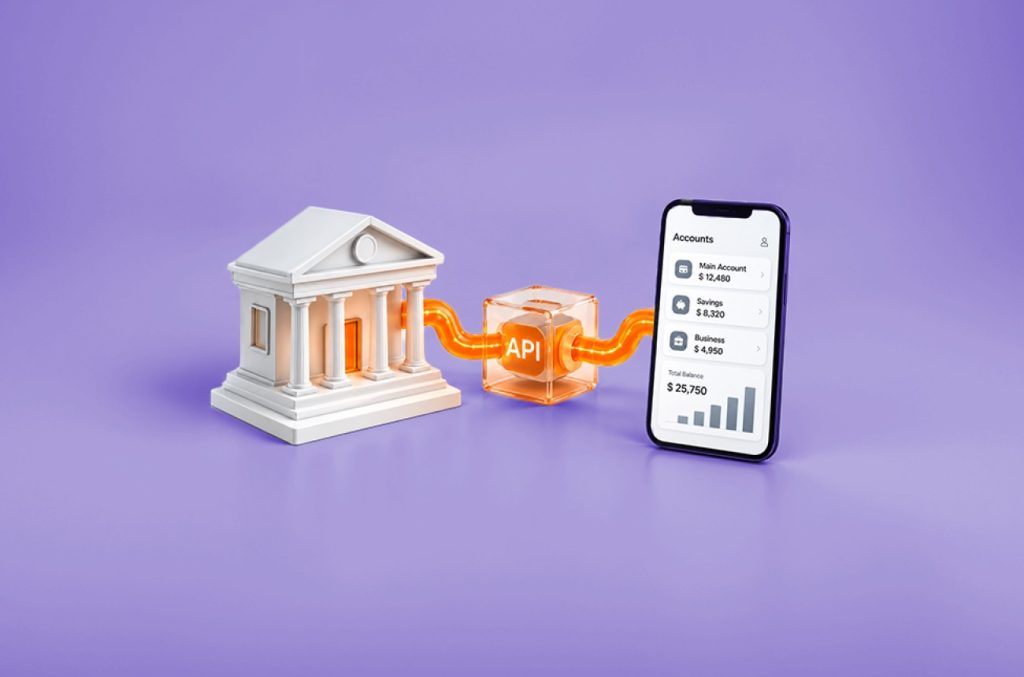
Choosing the right payment processor directly impacts transaction costs, checkout conversion, and cash flow. When businesses analyze Elavon vs. Stripe in 2026, they face a fundamental decision between a traditional bank-backed merchant account and an agile fintech platform. Our evaluation breaks down global pricing models, contract commitments, and omnichannel payments across both providers to determine the superior fit for your enterprise.
Stripe suits fast-growing digital brands needing developer control, whereas Elavon serves established brick-and-mortar operations seeking customized high-volume rates.
Stripe vs Elavon: Core Architecture and Differences
Architectural design represents the core division between Stripe and Elavon. Elavon functions as a direct payment acquirer owned by U.S. Bancorp, assigning each business a dedicated merchant account with thorough upfront underwriting. Conversely, Stripe operates as a payment aggregator, grouping businesses under a master merchant account while supplying a cloud-based payment gateway.
This structural distinction shapes how each platform handles account stability and onboarding:
- Onboarding speed: Stripe enables immediate account activation, whereas Elavon requires manual underwriting that takes several business days.
- Account stability: Elavon maintains higher stability against unexpected fund freezes, while aggregators like Stripe enforce automated risk reviews that occasionally suspend accounts.
- Settlement speed: Elavon transfers daily sales directly through U.S. Bancorp banking rails, whereas Stripe offers rolling two-day payout schedules.
Dedicated merchant accounts deliver stability for high transaction volumes, but payment aggregators provide instant market access. Therefore, operational urgency dictates which architecture fits your business model.
Compare Elavon and Stripe: Features and Tech Capabilities
Selecting the right technology stack requires evaluating omnichannel tools across physical and digital storefronts. To compare Elavon and Stripe effectively, businesses must examine how hardware, APIs, and acquiring reach align with their commercial operations. Both platforms support international transactions, including scalable Visa payment processing for card-present and digital checkouts.
| Feature | Stripe | Elavon | Winner |
| POS System | Stripe Terminal (custom hardware) | Talech POS (turnkey register systems) | Elavon |
| API Integration | Comprehensive SDKs and developer tools | Standard connectors and partner APIs | Stripe |
| Virtual Terminal | Browser-based dashboard input | Converge payment gateway terminal | Tie |
| Global Reach | 46+ countries with local card acquiring | 36+ countries backed by U.S. Bancorp | Stripe |
Stripe dominates software-led digital ecosystems, while Elavon excels across traditional point-of-sale environments. Consequently, your existing sales infrastructure should guide your technical selection before you examine fee structures.
Elavon vs Stripe: Pricing Structures and Hidden Fees
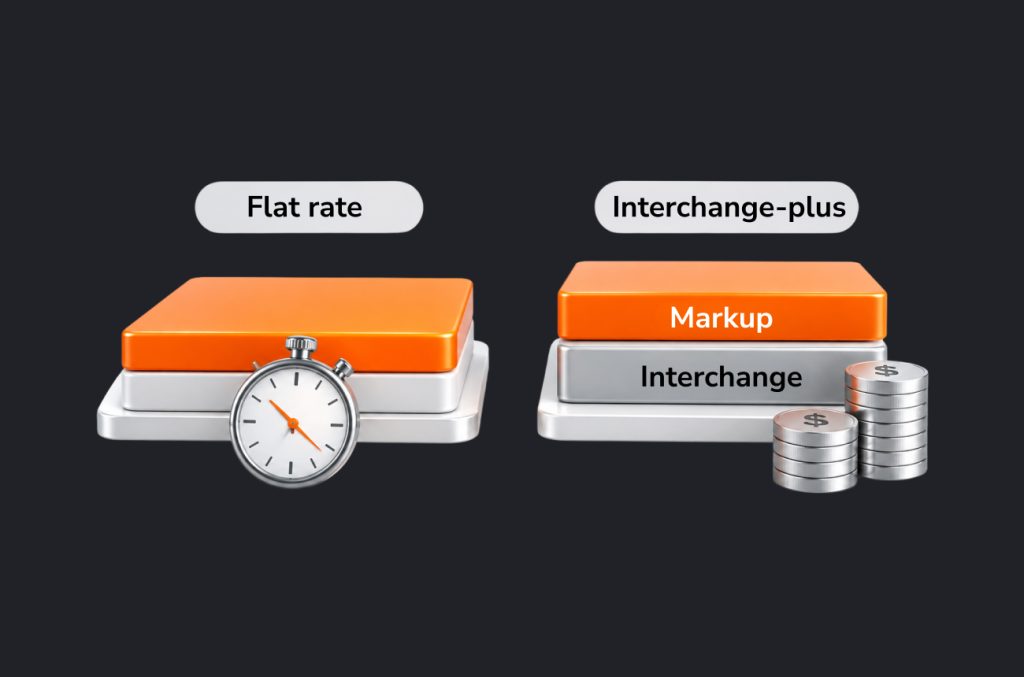
Fee architecture separates these payment platforms significantly. Stripe enforces standard flat-rate pricing, charging 2.9% plus 30 cents per online transaction without monthly maintenance charges. In contrast, Elavon utilizes an interchange-plus pricing model where base card network fees pair with a negotiated markup, alongside fixed monthly account maintenance fees.
Merchants evaluating Elavon vs Stripe must review three primary expense categories:
- Transaction processing fees: Stripe applies consistent flat rates for card-not-present transactions, while Elavon calculates costs based on card tier and transaction volume.
- Account maintenance charges: Stripe waives monthly account fees, whereas Elavon assesses monthly statement fees and portal access costs.
- Dispute and chargeback fees: Stripe assesses a $15 fee per disputed transaction, whereas Elavon charges dispute fees starting at $25 per incident.
Interchange-plus pricing lowers effective processing rates for merchants processing over $100,000 monthly, while flat-rate pricing protects smaller businesses from unpredictable card fees. Consequently, transaction volume determines your total processing expenditure.
Contract Lengths and Early Termination Fees Compared
Commitment terms create substantial financial liabilities for unsuspecting merchants. Stripe operates entirely on a month-to-month schedule with zero long-term commitments, allowing businesses to close accounts without penalty. Conversely, a standard Elavon merchant account contract spans two to three years.
Canceling an Elavon contract ahead of schedule frequently triggers an early termination fee ranging from $250 to several hundred dollars. Therefore, agile startups must weigh contractual lock-in before selecting a legacy payment processor.
Stripe vs Elavon: API Integration and Usability
User experience depends heavily on available technical resources. When contrasting Stripe vs. Elavon, engineering teams consistently favor Stripe for its modular architecture, modern SDKs, and pre-built hosted checkouts for card-not-present transactions. Stripe simplifies payment gateway integration into modern web frameworks within hours. Meanwhile, Elavon delivers a pre-configured payment environment designed for direct pairing with enterprise ERP and accounting software.
Stripe requires dedicated developer resources to maximize value, whereas Elavon offers turnkey hardware setups that non-technical staff can deploy immediately.
Compare Elavon and Stripe: Security and PCI Compliance
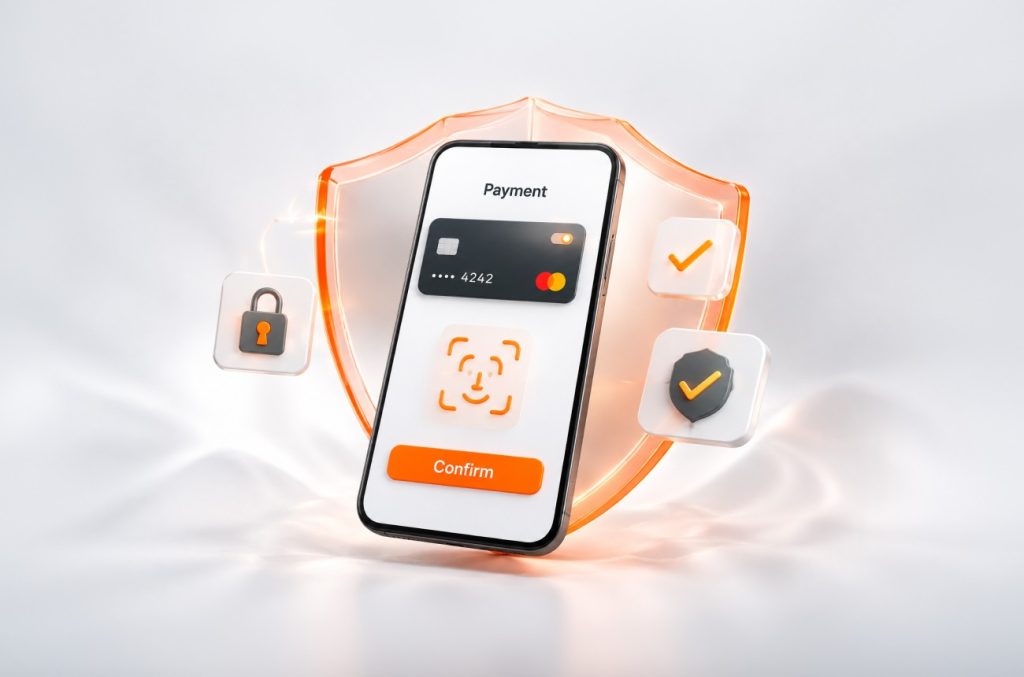
Data protection and regulatory adherence dictate platform safety. To compare Elavon and Stripe fairly, merchants must evaluate how each processor mitigates financial crime and handles sensitive cardholder data during recurring billing cycles. Stripe embeds automated Radar fraud detection directly into its core engine, training machine learning models on millions of global transactions without extra cost. In contrast, Elavon manages PCI compliance through a structured verification portal, though it frequently assesses a monthly non-compliance fee if merchants fail validation deadlines.
Stripe includes advanced machine learning fraud prevention by default, whereas Elavon requires proactive merchant portal certification.

Elavon vs Stripe: Which Payment Processor Wins?
Selecting between these two industry leaders requires a clear assessment of your operational channels. The Elavon vs Stripe decision ultimately hinges on your primary sales channel, engineering capacity, and expected transaction scale.
Evaluate these operational criteria before signing an agreement:
- Choose Stripe: Best for digital startups, software platforms, and cross-border brands demanding rapid deployment and customized checkout experiences.
- Choose Elavon: Best for high-volume brick-and-mortar retailers, multi-location hospitality venues, and enterprises requiring dedicated POS system setups and negotiated interchange-plus processing.
- Choose a modern hybrid: Best for scaling merchants that require flexible international acquiring without multi-year lock-in or inflexible aggregator fee structures.
High-volume physical retailers benefit from Elavon’s direct acquiring rails, while digital-first merchants maximize growth with Stripe. Furthermore, businesses seeking balanced omnichannel payments must prioritize flexibility and total cost of ownership.
Modernize Card Processing With TODA Pay Infrastructure
Modern merchants require an agile alternative to rigid multi-year bank contracts and aggressive aggregator account freezes. TODA Pay bridges this gap by combining direct European card acquiring, local alternative payment methods, and reliable multi-currency settlements. Choosing between legacy accounts and aggregators ultimately depends on operational flexibility. Deploy our scalable E-commerce payment processing to maximize authorization rates across global markets. Contact TODA Pay today to upgrade your transaction routing and secure international revenue flow.
Frequently Asked Questions About Payment Processors
Is Stripe Cheaper Than Elavon Overall?
Stripe offers lower upfront costs for startups processing under $30,000 monthly due to zero recurring platform fees. However, Elavon becomes more cost-effective for enterprise merchants exceeding $100,000 in monthly sales through negotiated interchange-plus rates.
Does Elavon Require A Long-Term Contract?
Yes, standard Elavon merchant account agreements mandate multi-year commitments, typically lasting two to three years. Terminating an agreement early triggers substantial termination penalties, whereas Stripe operates strictly on flexible month-to-month terms.
Which Provider Works Better For E-Commerce?
Stripe delivers superior e-commerce capabilities thanks to extensive API documentation, international payment methods, and automated recurring billing. Elavon remains better suited for physical point-of-sale retail chains.
How Fast Do Stripe and Elavon Settle?
Elavon settles funds within 24 to 48 hours directly into business accounts through U.S. Bancorp networks. Stripe operates on a standard two-business-day rolling payout schedule for global accounts.
Can Merchants Use Their Own Card Readers?
Neither platform supports arbitrary third-party hardware easily. Elavon requires proprietary Talech or Ingenico terminals, while Stripe mandates pre-certified Stripe Terminal readers equipped with custom encryption firmware.