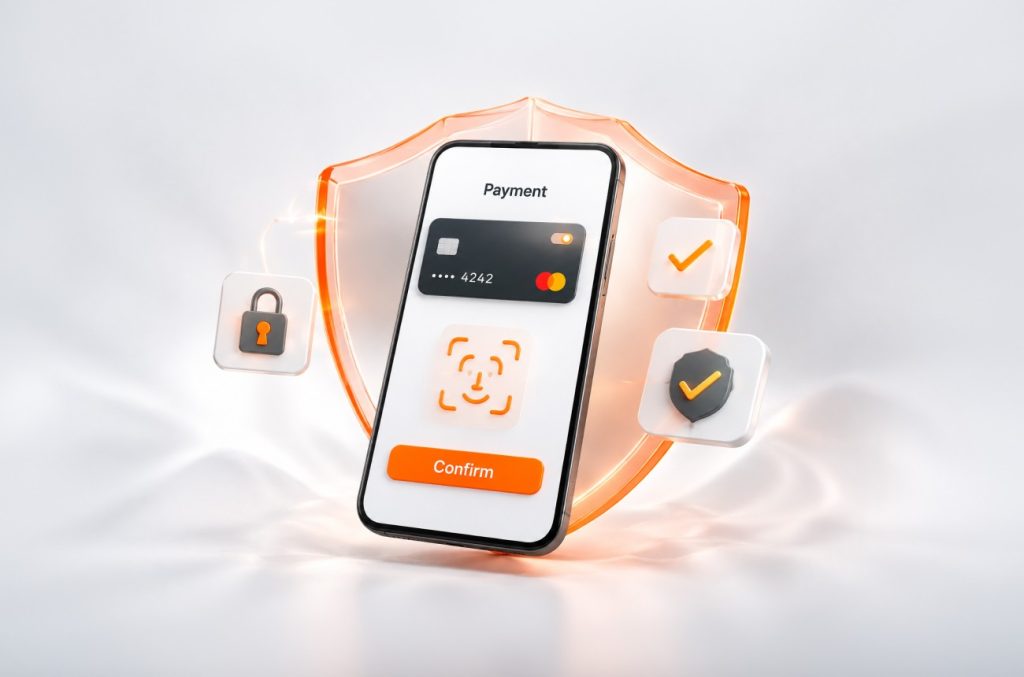
Open banking has transformed global finance by allowing authorized third parties to access bank data securely. While these concepts originated with Europe’s PSD2 in 2018, they now function as global standards reshaping e-commerce and personal finance in 2026. We clearly define Account Information Service Providers (AISPs) and Payment Initiation Service Providers (PISPs) today. Essentially, AISPs strictly read financial data, while PISPs actively move money between accounts. Understanding this PISP open banking ecosystem ensures smarter financial decisions globally.
Understanding the Global Open Banking Ecosystem
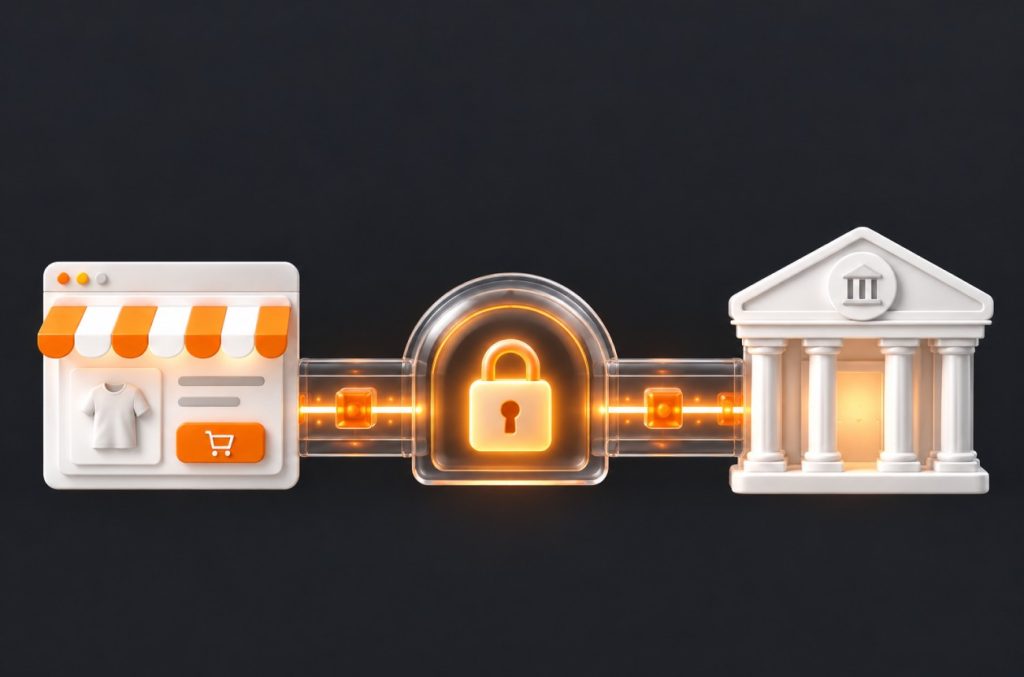
The modern financial ecosystem functions through secure, encrypted connections. Open banking relies heavily on an API (Application Programming Interface) to build secure bridges between traditional banks and innovative financial technology companies. Most importantly, the user always remains in absolute control of their personal financial management tools.
Understanding TPP and ASPSP in Open Banking
Third-Party Providers (TPPs) represent authorized fintech companies building innovative new services. Conversely, Account Servicing Payment Service Providers (ASPSPs) are traditional banks holding your actual account funds. Data strictly flows from the ASPSP directly to the TPP only after the customer grants explicit permission.
What is an AISP in the Open Banking Ecosystem?
An AISP operates as a service provider legally authorized to view a user’s bank account information. This specific access remains strictly read-only by design. Therefore, the TPP cannot move funds, modify account details, or initiate transactions on your behalf.
How AISPs Access Read-Only Financial Data
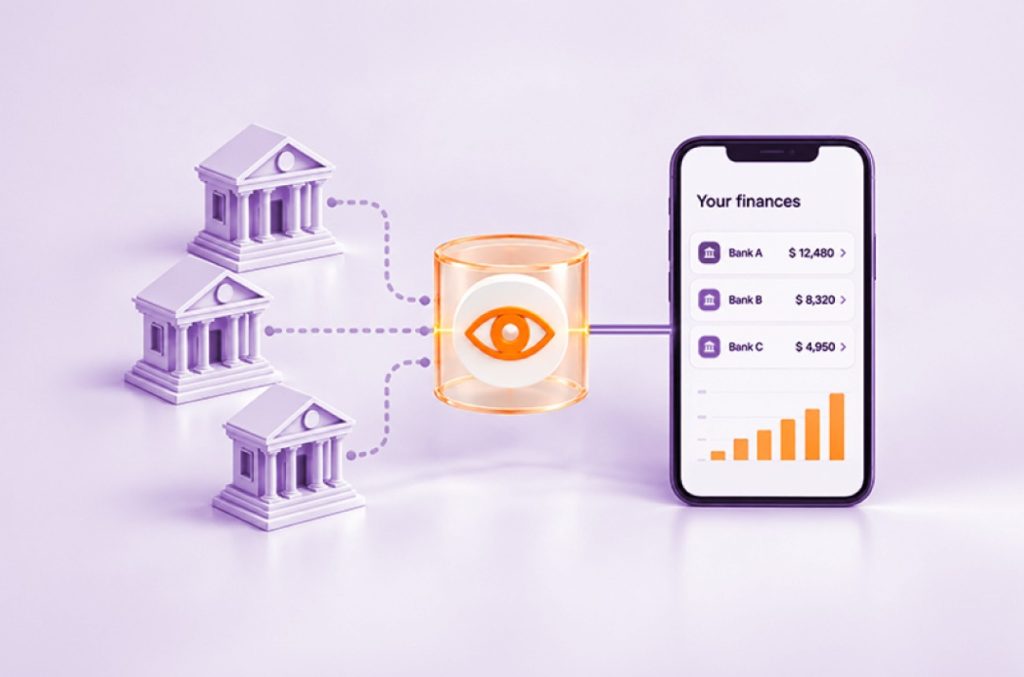
An AISP utilizes open APIs to gather and consolidate metrics from multiple bank accounts. Developers aggregate this information into a single, unified interface for the consumer. Users can instantly revoke this read-only financial data access at any time through their primary banking app.
Real-World AISP Use Cases and Financial Benefits
Consumers and businesses leverage practical applications of AISP technology daily to improve financial visibility. Review these specific examples of data aggregation in action.
- Personal finance management tools track daily spending habits automatically across institutions.
- Credit bureaus assess loan affordability instantly by reviewing live account balances.
- Budgeting apps aggregate multiple disparate bank accounts into one unified dashboard.
These smart tools significantly improve transparency without exposing consumers to financial theft risks. Accessing data through an AISP simplifies modern wealth management securely.
What is a PISP Payment Initiation Provider?
A PISP represents a provider authorized to initiate payments directly from a customer’s bank account on their behalf. This technology completely removes the need for traditional credit or debit cards during online checkout. Consequently, consumers experience a noticeably faster and more secure payment journey.
How PISP Open Banking Initiates Secure Payments
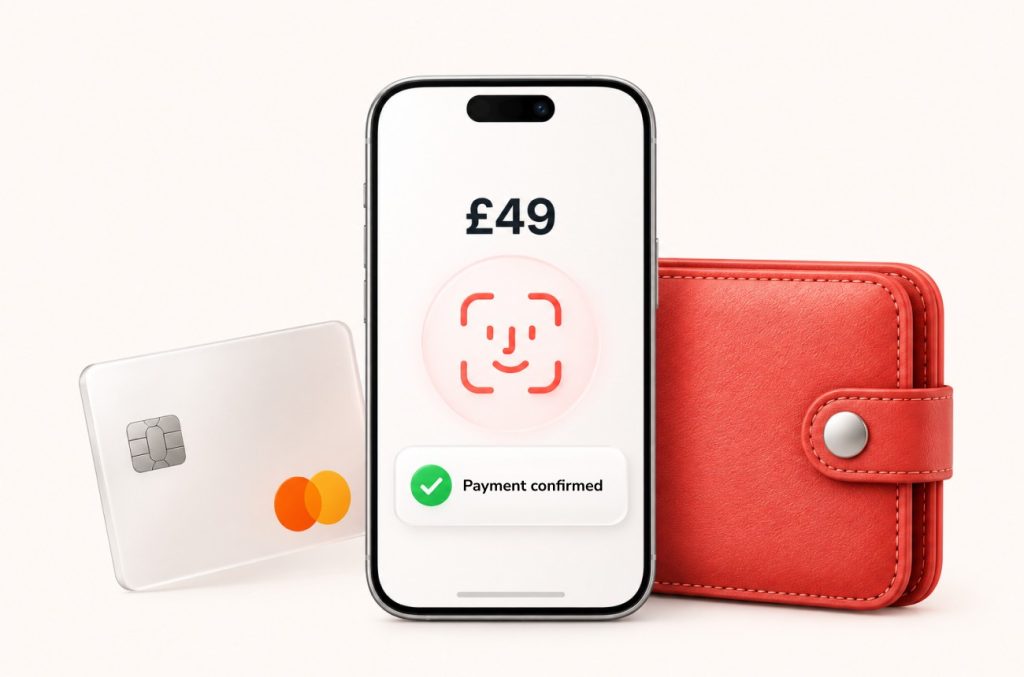
During checkout, a PISP connects directly to the bank via an encrypted API. The customer explicitly authorizes the transaction using biometric authentication directly within their mobile banking application. This direct bank routing bypasses traditional card networks, resulting in instant settlement for merchants.
Real-World PISP Use Cases and Business Benefits
Merchants increasingly prefer payment initiation solutions over traditional gateways to optimize their revenue. Companies achieve critical operational advantages by implementing these modern systems.
- Businesses pay significantly reduced processing fees by eliminating traditional card network intermediaries.
- Merchants experience a complete elimination of fraudulent chargebacks globally.
- Customers enjoy faster checkout experiences that drastically reduce cart abandonment rates.
- B2B invoice payments settle instantly, improving corporate cash flow noticeably.
Integrating secure Open Banking Faster Payments guarantees these operational benefits for modern digital merchants. Adopting PISP technology creates a stronger bottom line for retailers worldwide.
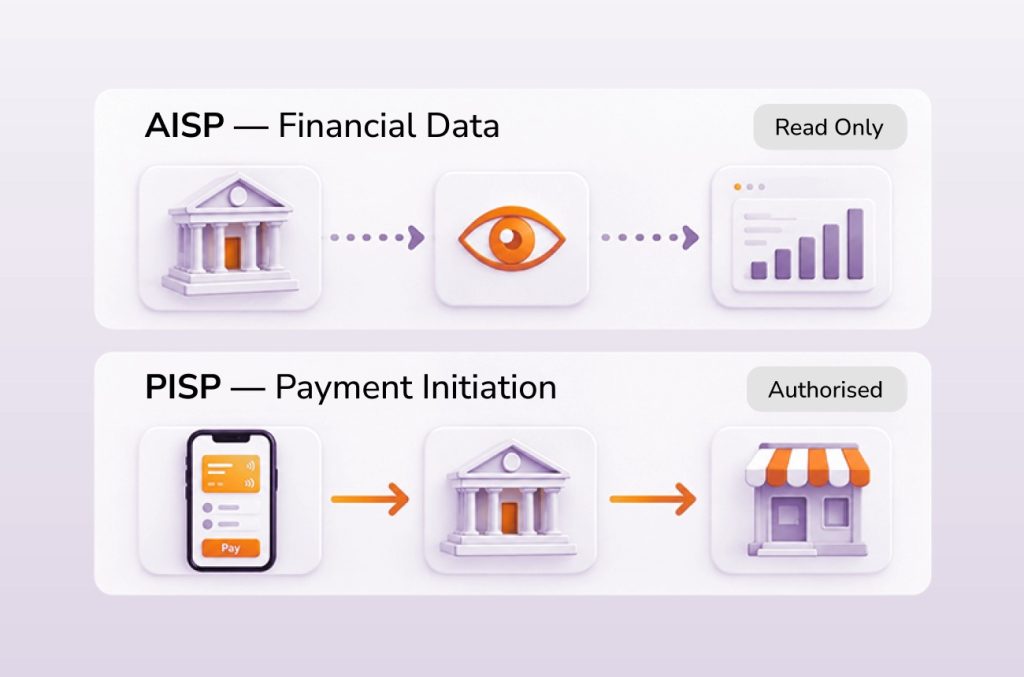
AISP vs PISP: Key Differences Compared Clearly
We must summarize the core distinctions between these two TPP types clearly. AISPs strictly handle data aggregation, whereas PISP technology facilitates secure, direct financial transactions. Review the specific technical capabilities outlined below.
| Feature | AISP (Account Information) | PISP (Payment Initiation) |
| Primary Function | Read-only data aggregation | Direct bank transactions |
| Fund Movement | No | Yes |
| Regulatory Requirements | Medium | High |
| Typical Use Case | Financial management tools | E-commerce checkout |
This clear separation of powers ensures that financial transparency tools cannot accidentally initiate unauthorized payments. Regulators structured these categories strictly to protect consumers at every technical level.
Security Standards Protecting Open Banking Financial Data
Strict regulatory frameworks govern TPPs globally to address consumer security concerns directly. Providers must adhere to stringent data protection laws and undergo rigorous technical audits regularly. Furthermore, regulators mandate that active providers maintain Professional Indemnity Insurance (PII) to operate legally.
Strong Customer Authentication (SCA) and 2FA Protocols
Strong Customer Authentication (SCA) operates as a mandatory security protocol designed specifically to eliminate online fraud. Regulators require 2FA (Two-Factor Authentication) across three distinct verification categories.
- Something you own: A registered physical smartphone or hardware security token.
- Something you know: A memorized PIN code or unique complex password.
- Something you are: Unique biometric authentication traits like a fingerprint or facial scan.
Combining two of these elements ensures criminals cannot authorize payments using stolen passwords alone. This robust system makes unauthorized payment initiation practically impossible.
How to Become a Licensed AISP or PISP
Companies wanting to offer these services face two distinct paths to market. The direct route involves lengthy regulatory compliance registration and strict minimum capital requirements. Alternatively, businesses act as technical agents under an already established TPP to launch products faster.
Choosing the Right Open Banking API Provider
Businesses must evaluate critical technical factors when selecting an Open Banking infrastructure partner. Connecting directly to banking rails requires enterprise-grade stability, broad financial coverage, and predictable operational costs:
- Regulatory compliance: Ensure the provider maintains authorized payment institution licensing and strict PSD2/PSD3 adherence.
- Bank coverage & API reliability: Verify direct connectivity across major UK and European banks with high uptime benchmarks.
- Settlement velocity: Confirm rapid clearing schedules that optimize corporate working capital and liquidity.
- Transparent fee structures: Choose direct pricing models without hidden intermediary markups or unexpected network surcharges.
Prioritizing these technical capabilities ensures reliable payment flow while safeguarding your checkout conversion rates. Platforms like TODA Pay deliver this robust connectivity, pairing high-speed Faster Payments routing with dedicated merchant support.
The Future of PISP Open Banking Innovation
AISPs and PISPs continuously transform the global financial ecosystem by replacing outdated infrastructure. As the industry evolves beyond PSD2 into upcoming PSD3 frameworks, these technologies will make digital commerce cheaper and vastly more secure. Innovators rely on these direct connections to bypass expensive traditional financial networks completely. To optimize your regional transaction speeds, implement Faster Payments UK through TODA Pay and secure your digital revenue today.
Frequently Asked Questions About Open Banking Providers
Can an AISP secretly move my money?
No. An AISP strictly reads financial data for aggregation purposes only. They absolutely cannot initiate transactions, transfer funds, or alter your account balances under any circumstances.
Are PISP payments actually safer than credit cards?
Yes. PISP payments require biometric authentication directly within your secure banking app. This process completely eliminates the risk of stolen credit card numbers being exploited online by hackers.
Can I revoke access to a TPP anytime?
Absolutely. You retain total control of your financial data perpetually. You can instantly revoke access to any third-party provider directly through your banking application’s security settings menu.
Do I need a new, specialized bank account?
No. Open banking services connect directly to your existing traditional bank accounts. They use secure APIs to access the accounts you already use daily without requiring new registrations.
What exactly happens if a PISP transaction fails?
If a payment initiation fails due to technical errors, the funds remain securely in your account. The merchant’s checkout page will simply prompt you to retry the transaction safely.