Credit cards no longer feel like the default choice they once were. High interest rates push consumers toward safer alternatives to credit cards, while heavy processing fees push merchants toward cheaper payment gateways and open banking. Both groups are looking for a way out of the same legacy system.
This overview covers both sides of that shift — the safest digital wallets and borrowing options for everyday shoppers, plus the payment processing tools merchants use to cut costs and protect their margins. No single solution fits everyone, but plenty of realistic options now exist.
Why Bad Credit and Processing Fees Push Change
The legacy card system quietly punishes people on both ends of a transaction. Consumers with a lower credit score often pay higher interest rates or get rejected outright, and a single missed payment can push someone deeper into bad credit territory. Chargebacks compound the problem for the other side entirely.
Merchants absorb processing fees on every sale, then face chargebacks whenever a customer disputes a charge, fair or not. Both sides end up paying for a system that neither one actually chose. That shared frustration explains why alternatives are gaining ground so fast.
Debit Cards: Safer Alternatives to Credit Cards
Debit cards remain the simplest alternative to credit cards for anyone who wants to spend only what they already have. A basic current account paired with a debit card avoids interest entirely, but it still comes with trade-offs. The table below lays out the core pros and cons.
| Method | Pros | Cons |
| Debit card | No interest, no debt risk, works everywhere cards are accepted | Limited fraud protection compared to premium wallets, no credit-building |
| Basic current account | Simple to open, low or no fees, easy budgeting | Overdraft fees can apply, fewer rewards than credit products |
Neither option builds a credit score directly, but both keep consumer borrowing off the table entirely. For anyone wary of debt, that trade-off often feels worth it.
Prepaid Cards and Digital Wallets Explained
Prepaid cards work well for anyone rebuilding after bad credit, since providers rarely run a credit check before issuing one. Users load a fixed amount, spend it down, and simply top up again — no debt possible.
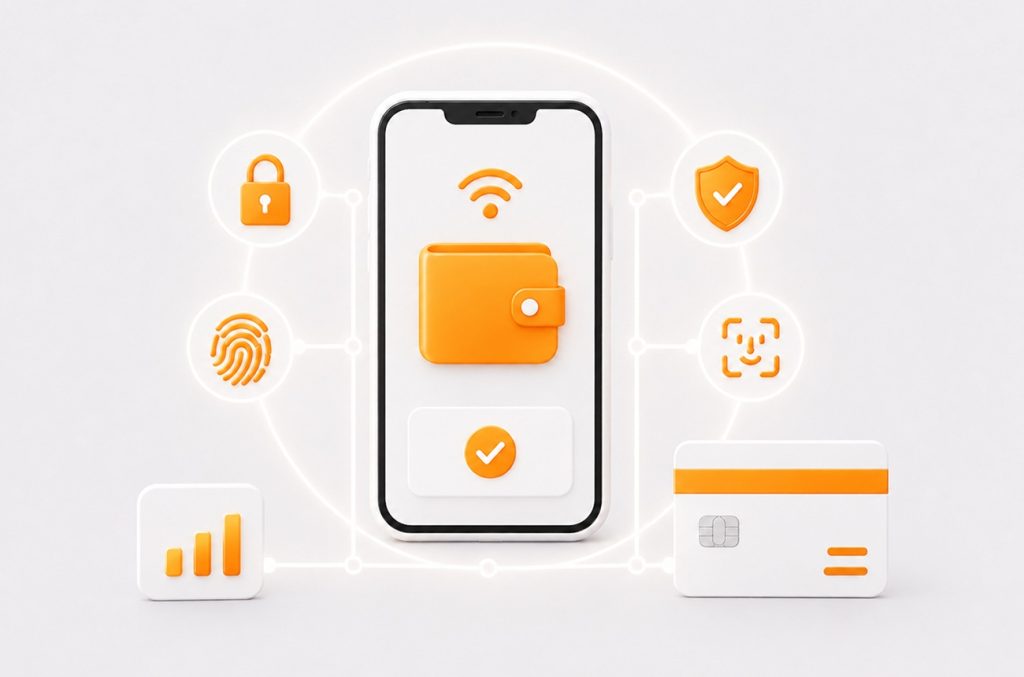
Digital wallets solve a different problem entirely. Apple Pay, Google Pay, and similar wallets typically bundle in fraud protection features that go beyond what a physical card offers on its own:
- Biometric authentication before every payment
- Tokenized card numbers that hide real account details from merchants
- Instant push notifications for every transaction
- One-tap freezing if a phone gets lost or stolen
These features make digital wallets a genuinely safer everyday option, not just a more convenient one.
Smart Borrowing Options for Bad Credit
Some people genuinely need to borrow, not just spend, and a low credit score shouldn’t shut every door. A short-term overdraft can bridge a gap for a few days without the long-term cost of a card balance. Guarantor loans open another path, letting someone with stronger credit co-sign for better terms.
However, responsible borrowing matters more than which product someone picks. The list below covers the safety habits worth following regardless of the method chosen.
- Borrow only the amount needed, not the maximum offered
- Check the total repayment cost, not just the monthly figure
- Avoid stacking multiple loans or overdrafts at the same time
- Confirm how the lender reports to credit bureaus before signing
Following these habits protects both a credit score and a bank balance. Consumer borrowing works best when it stays deliberate, not automatic.
Peer-to-Peer Lending and Personal Loans
Peer-to-peer lending connects borrowers directly with individual investors, cutting out the bank as a middleman. That structure often means better rates for borrowers with a solid credit score and stronger returns for lenders. For larger, planned expenses, a standard personal loan usually works better than either credit cards or short-term borrowing.
Both options suit people who know exactly why they’re borrowing, not just people who need flexibility.
Local Payment Methods for Global Merchant Services
Card networks charge merchants a fee on every transaction, and customers abroad don’t always trust cards issued in another country. Local payment methods solve both problems by matching how people already pay in their own market.
Roughly 9% of cart abandonments trace back to a checkout page missing a shopper’s preferred payment method. That single gap costs merchants real revenue every day. Offering region-specific payment gateways alongside cards closes it.
A handful of local payment methods now dominate specific regions:
- PIX for instant bank transfers across Brazil
- iDEAL for direct bank payments in the Netherlands
- BLIK for one-time codes across Poland
- Bancontact for card-linked payments in Belgium
Adding even a few of these options can lift conversion meaningfully in markets where cards alone fall short. Providers now package these local rails together instead of forcing merchants to integrate each one separately — TODA Pay’s European local methods work exactly this way, covering iDEAL, BLIK, and Bancontact under a single connection.
Open Banking and A2A Payments Compared
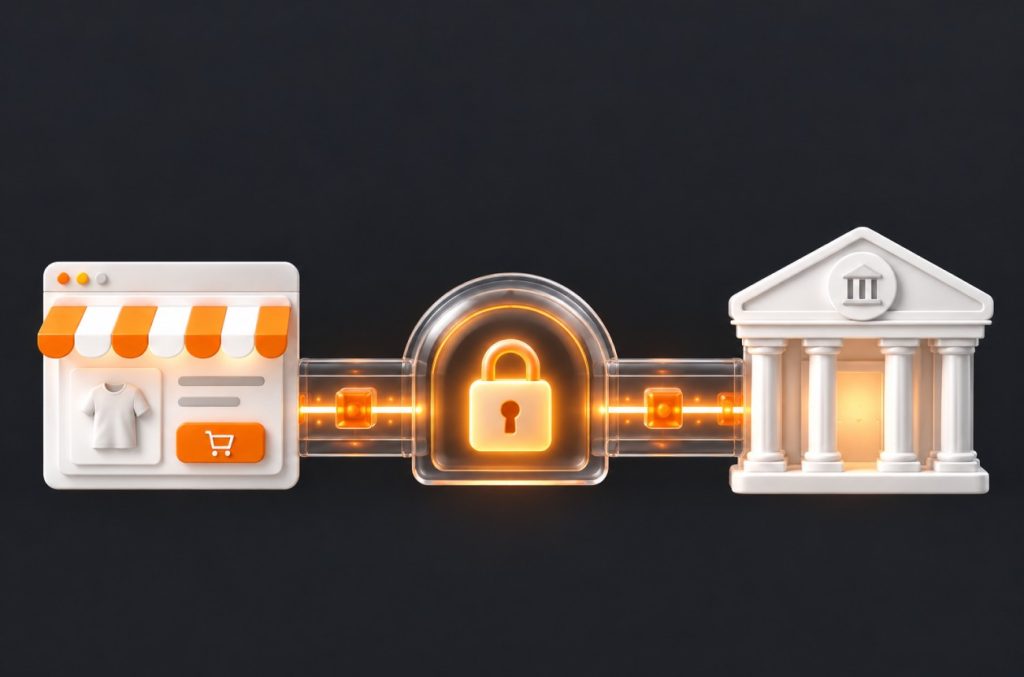
Open banking lets a merchant pull payment directly from a customer’s bank account, no card required. A2A payments settle through this same rail, moving funds account-to-account instead of through a card network’s multiple intermediaries.
The result: merchants typically see settlement land in minutes instead of days, alongside processing fees that run well below standard card rates. Fraud risk drops too, since there’s no card number for anyone to steal in the first place. TODA Pay’s Open Banking solutions handle this account-to-account routing directly, so merchants add it without building bank connections themselves.
How Businesses Reduce Chargebacks and Fees
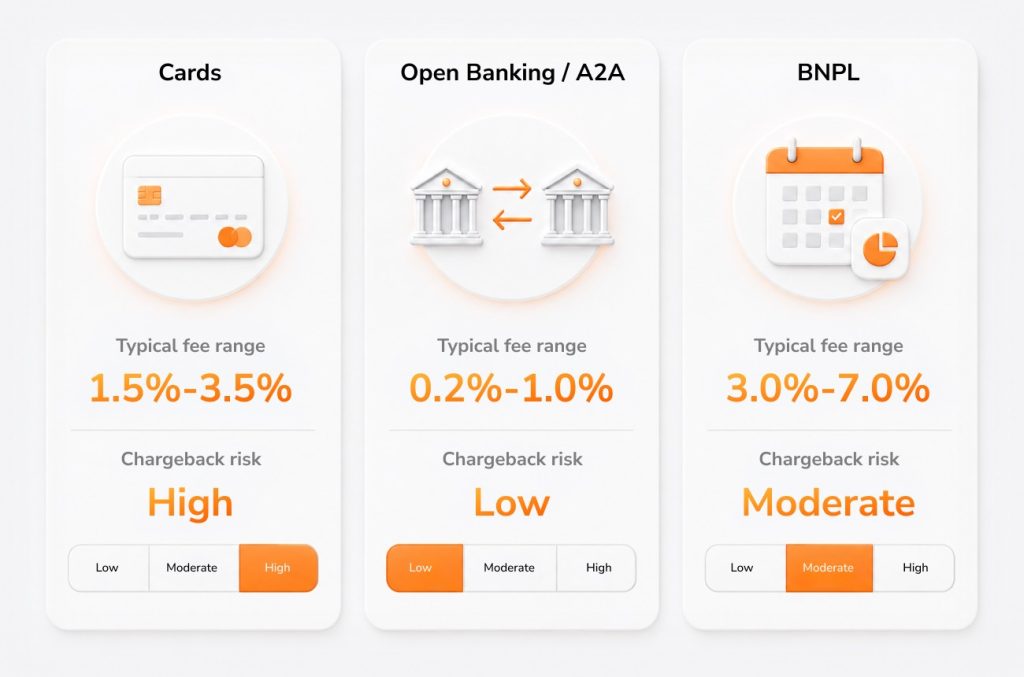
Card scheme fees and chargeback fraud eat into margins quietly, transaction after transaction. Open banking and BNPL both change that cost structure, though not in identical ways. The table below compares average fees and chargeback exposure across the three main options.
| Payment Type | Average Global Fee | Chargeback Risk |
| Cards | 1.5%–3.5% per transaction | High — disputes common, funds often held during review |
| Open banking / A2A | 0.2%–1% per transaction | Low — direct bank authorization reduces fraud disputes |
| BNPL | 2%–6% per transaction (merchant-paid) | Moderate — depends on the provider’s own risk assessment |
Fees tell only part of the story, though. Merchants can also cut chargeback risk directly through a few practical habits:
- Confirm delivery with tracked shipping and signature proof
- Keep clear refund and cancellation policies visible at checkout
- Use address verification and fraud-scoring tools on every order
Combining lower-fee payment rails with these habits does more for the bottom line than switching providers alone ever could.
Pros and Cons of Buy Now Pay Later
BNPL boosts merchant conversion rates and average order values, since shoppers spend more freely when payment splits into smaller chunks. Many retailers report a real lift in checkout completion after adding it as an option.
However, consumers can slide into debt just as easily as with a card, and merchants often pay higher fees for the privilege of offering it. The trade-off cuts both ways, not just one.
Choosing the Right Alternatives to Credit Cards
No single payment method replaces credit cards entirely — the right mix depends on whether someone’s spending, borrowing, or processing transactions as a business. Consumers get real security from digital wallets and debit cards. Merchants get real savings from account-to-account payments and localized checkout options, without the overhead of managing each connection separately.
That combination — faster settlement, lower fees, and checkout options that feel native to every market — is exactly what pushes businesses away from card-only processing in 2026.
Alternatives to Credit Cards: FAQ Answered
What are the safest alternatives to credit cards?
Debit cards and prepaid cards top the list, since neither lets a shopper spend money they don’t already have.
Can I build my credit score without cards?
Yes. Personal loans, guarantor loans, and some overdraft products report to credit bureaus, helping build a credit score over time.
How do merchants benefit from open banking?
Open banking cuts processing fees sharply and settles funds faster, since payments move directly between bank accounts.
Are digital wallets cheaper for business owners?
Often, yes. Digital wallets can lower fraud-related costs and chargebacks, even when base processing fees stay similar to card rates.
Does Buy Now Pay Later affect credit ratings?
It can. Some BNPL providers now report missed payments to credit bureaus, so late payments carry real consequences.