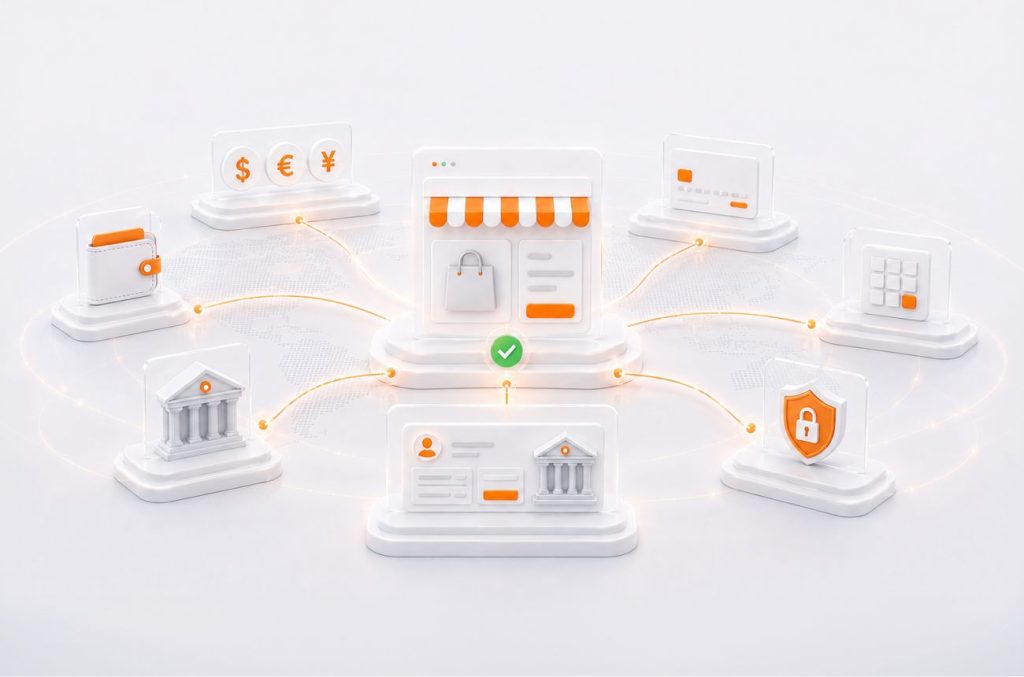
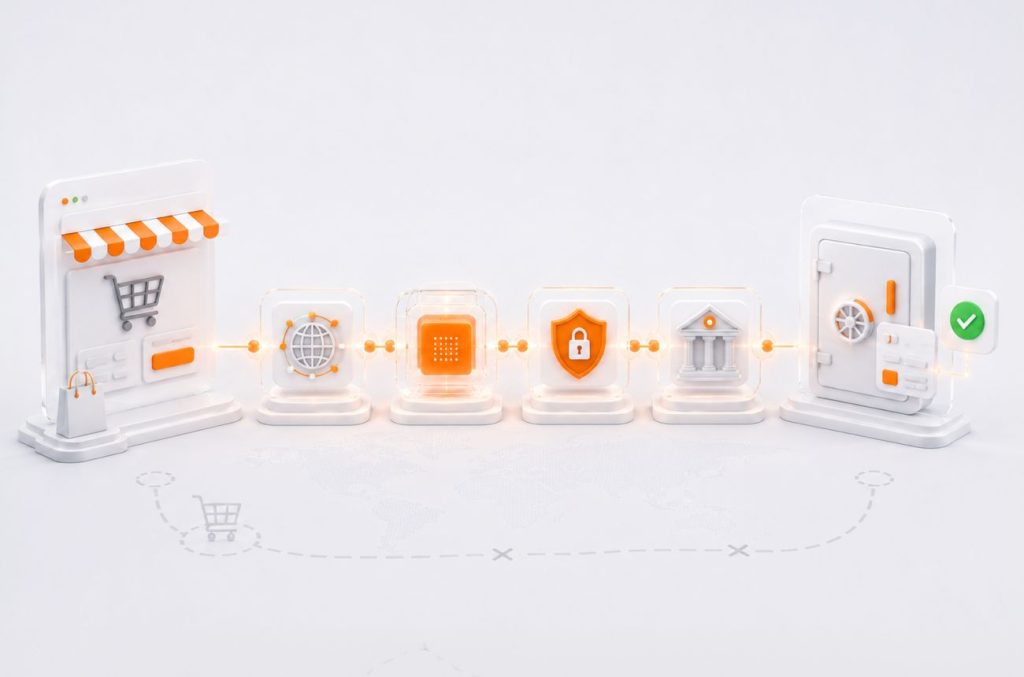
Enterprises demand financial agility to capture rapidly evolving digital markets. Merchants frequently evaluate Mollie vs Stripe when determining the most efficient way to process transactions across the European Economic Area. While Mollie positions itself as a specialized European partner, Stripe provides a vast infrastructure for global scalability. Choosing the right payment service provider depends on whether your business prioritizes localized simplicity or complex technical modularity. This analysis clarifies the core distinctions to help you select the most effective platform for your specific operational scale.
Detailed Mollie vs Stripe Cost and Fees
Transaction pricing directly influences your profit margins as sales volumes increase throughout 2026. Stripe utilizes a modular pricing model where advanced features like billing and tax automation carry additional costs. Conversely, Mollie emphasizes an all-in-one approach that includes many essential tools in its baseline rate.
The following table compares baseline transaction fees for standard card types:
| Card Type | Mollie Fee (Standard) | Stripe Fee (Standard) |
| UK Consumer Cards | 1.2% + €0.25 | 1.5% + €0.25 |
| EEA Consumer Cards | 1.2% + €0.25 | 1.5% + €0.25 |
| Non-EEA Cards | 2.8% + €0.25 | 3.25% + €0.25 |
Retailers must account for these variations when forecasting their international expansion expenses. Stripe applies a 2% fee for currency conversion while Mollie offers competitive FX markups that vary by merchant region.
Analyzing Mollie vs Stripe Fees in Germany
Germany requires specific local payment options to maintain high checkout conversion rates. Mollie maintains strong Dutch roots that provide a significant advantage in the DACH region compared to US-centric competitors.
Businesses operating in Germany typically utilize these primary payment options:
- Giropay: A standardized bank transfer system used widely across Germany.
- SOFORT (Klarna): Real-time bank transfer service for immediate transaction confirmation.
- SEPA Direct Debit: Essential method for recurring payments and subscription models.
- Credit Cards: Visa and Mastercard remain vital for international German shoppers.
Mollie manages these localized requirements under a single contractual agreement for simplified administration. German merchants avoid the complexity of managing multiple third-party relationships for local payment acceptance.
Comparing Supported Mollie vs Stripe Payment Methods
Access to local European payment tools determines how effectively a brand can scale. Mollie provides a single contract for all its methods, including PayPal and various “Buy Now, Pay Later” providers.
The platform offers access to several unique European payment tools:
- iDEAL: The dominant payment method for the Netherlands market.
- KBC/CBC: Specialized banking buttons for customers located in Belgium.
- Belfius: Direct bank transfer integration for the Belgian retail sector.
- Bancontact: The primary card-based payment method for Belgian consumers.
These varieties allow companies to enter new regions without rewriting their entire payment logic. Bolded Key Takeaway: Consolidating all payment types into one contract reduces the administrative burden on small and medium enterprises.
Developer Experience and API Integration Comparison
Developers evaluate these platforms based on their API flexibility and ease of integration. Mollie offers “plug-and-play” solutions for major platforms like Shopify and WooCommerce, enabling rapid deployment for growing brands. Stripe provides a highly sophisticated API designed for complex SaaS billing and marketplace logic. Stripe allows for deeper customization of checkout flows while Mollie focuses on speed to market. Effective technical implementation reduces long-term maintenance costs and prevents transaction failures during peak sales periods.
Reviewing Support and Merchant Dashboard Insights
User experience extends beyond the API to the tools used by finance and support teams. Mollie provides personalized customer support for small businesses, whereas Stripe relies heavily on self-service documentation. Both companies offer mobile applications for real-time data tracking and transaction management. Personalized human support helps businesses resolve complex settlement issues faster than automated systems. Dashboard insights allow merchants to make data-driven decisions about their marketing and sales strategies.
Universal Support Across Multiple Operating Systems
Support for multiple operating environments ensures that every customer can complete their transaction without hardware friction. Modern businesses must verify compatibility across these primary systems to ensure high conversion rates.
The payment infrastructure works across several critical digital environments:
- Android and iOS: Integration for mobile wallets and native application checkouts.
- Desktop Browsers: Full support for Chrome, Safari, and Firefox browser elements.
- POS Terminals: Connectivity for physical hardware used in omni-channel retail operations.
Providing a multi-platform approach remains the most effective way to reach the global market. Cross-platform support ensures that your checkout process remains accessible to all potential customers regardless of their device.
Optimize Your Global Payment Strategy Today
Capturing growth in 2026 requires a strategy that combines traditional card processing with modern financial tools. Enterprises must look beyond simple gateways to find infrastructure that supports rapid international fund distribution. TODA Pay offers the technology to manage high-volume transactions with transparency and speed in emerging markets. Our systems allow your business to bypass the delays of legacy banking and improve your global operational efficiency. Scale your business and improve your transaction success by implementing professional Open Banking solutions to stay ahead of the competition today.
Mollie vs Stripe Frequently Asked Questions
Does Stripe support PayPal integration directly?
Stripe allows merchants to accept PayPal, but users must often connect their own PayPal business account to the platform. Mollie includes PayPal under its primary contract, simplifying the onboarding process for new merchants.
Is Mollie safer than Stripe for EU merchants?
Both platforms maintain the highest levels of PCI compliance and utilize advanced encryption for data protection. Mollie offers a European-centric approach to data privacy that aligns closely with local regulatory expectations.
Which gateway is better for German Shopify stores?
Mollie often performs better for German stores due to its native support for Giropay and SOFORT under one agreement. Stripe remains a strong choice for stores requiring complex subscription models or global US dollar settlements.
Are there monthly fees for Mollie or Stripe?
Neither Mollie nor Stripe typically charges a fixed monthly subscription fee for their standard payment processing services. Merchants only pay for the transactions they process, making both platforms cost-effective for seasonal businesses.
Can I hold multiple currencies in a Mollie account?
Mollie allows merchants to accept payments in various currencies and offers multi-currency settlement options for specific account tiers. Stripe provides a more advanced multi-currency infrastructure for businesses operating extensively outside the EEA.